

Cause 3 of 38Equality & Inclusion2006
This World Belongs to Differently-Abled People TOO - Since 2006
Advocacy is highly important. Language and labelling matter.
- How it began
- Differently-Abled People advocacy and assistance began in 2006, following the original Can I Go Home Now? initiative. Some historical campaign materials use “2007 Edition”; the corrected foundation-wide start is 2006.
- When did it start
- 2006
- Where it stands
- Ongoing worldwide advocacy
2006 - Differently-Abled People, dignity and access
Beginning in 2006, the foundation made assistance to and advocacy for Differently-Abled People an early priority immediately following its founding Films for Humanity work. The campaign’s media advocacy is a form of action: raising voices, challenging exclusion and advancing access to education, employment and public life. Earlier publications used a 2007 edition label, but the underlying work began in 2006.
It is not “disabled people”. The correct term is “Differently-Abled People”. The words used to describe people matter because language shapes attitudes, opportunities and how society treats one another.
Helping people whose lives have been turned upside down by physical challenges has long been part of the foundation’s humanitarian work. In 2006, that commitment became part of the foundation’s earliest humanitarian priorities. Earlier materials later used a 2007 edition label with one message: this world belongs to Differently-Abled People TOO.
Support delivered and advocacy sustained
Humans of Our World Foundation has provided assistance to Differently-Abled People and advocated for their dignity, participation, visibility and equal opportunity. Our humanitarian work and public storytelling have challenged exclusion and assumptions about what individuals are capable of achieving.
This edition continues to run as an advocacy-focused campaign for Differently-Abled People across the world. It promotes access to education, employment, healthcare, transport, public spaces, arts and culture, alongside fair representation and respect for personal independence and choice.
Representation, respect and opportunity
Through the foundation’s wider public-interest media work, including Hollywood Insider, we have supported conversations about representation on screen, barriers in creative industries and the importance of hearing from those directly affected. Inclusion means opportunities, rights and access in everyday life - not just recognition on special occasions.
The foundation welcomes dialogue with accessibility advocates, educators, employers, artists and grassroots organisations working towards a more inclusive world.
Language is an action
The edition deliberately uses the public language of Differently-Abled People to challenge labelling that reduces human beings to a limitation. Naming the right to access education, jobs, culture and public space; publishing representations that reject stereotypes; and amplifying first-person perspectives are advocacy actions. They press institutions and audiences to change how they treat people.
Advocacy is action. Original journalism, public education, campaigning, interviews and community dialogue are meaningful work in this cause. The foundation distinguishes that public action from direct services or results delivered by other organisations.
In the media
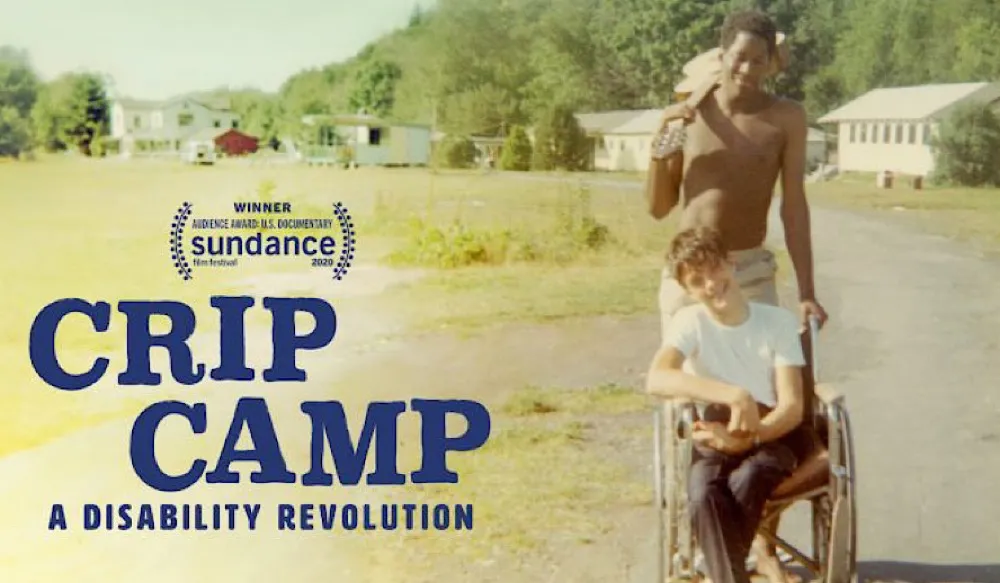 ‘Crip Camp’: Netflix’s Triumph of Disabled Representation
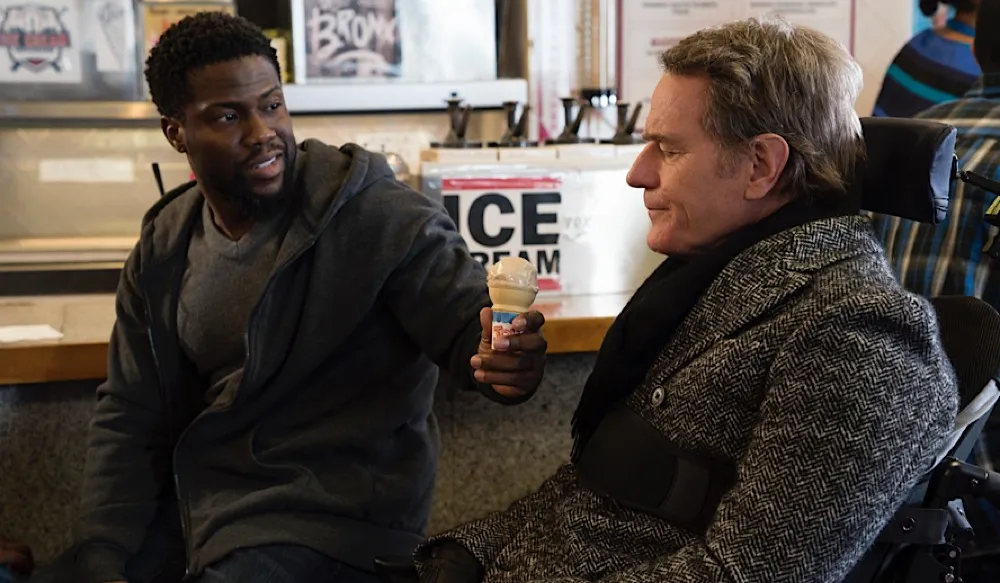 Disability Representation on the Silver Screen and How It Should Progress
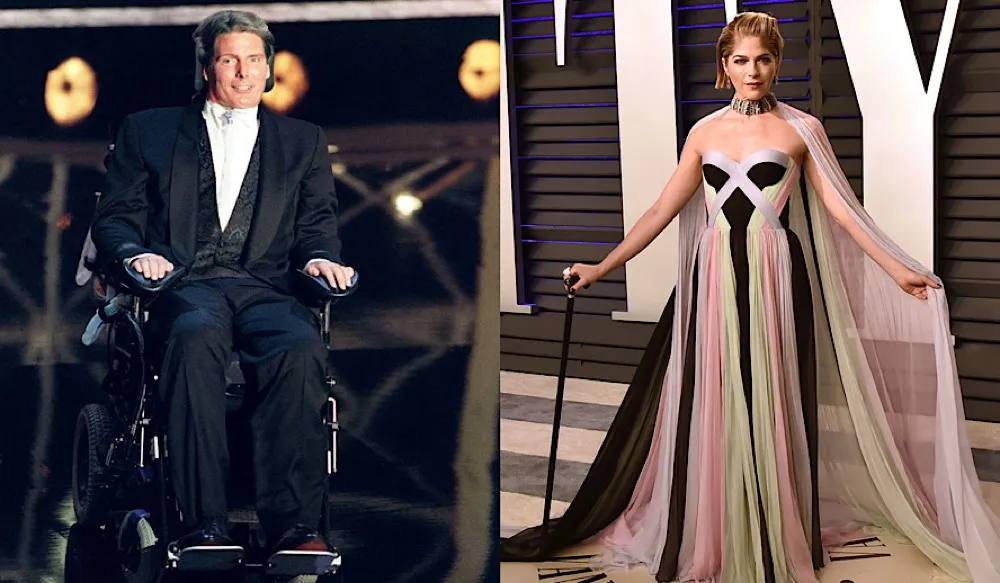 Why We Need More Disability Inclusiveness in the Entertainment Industry
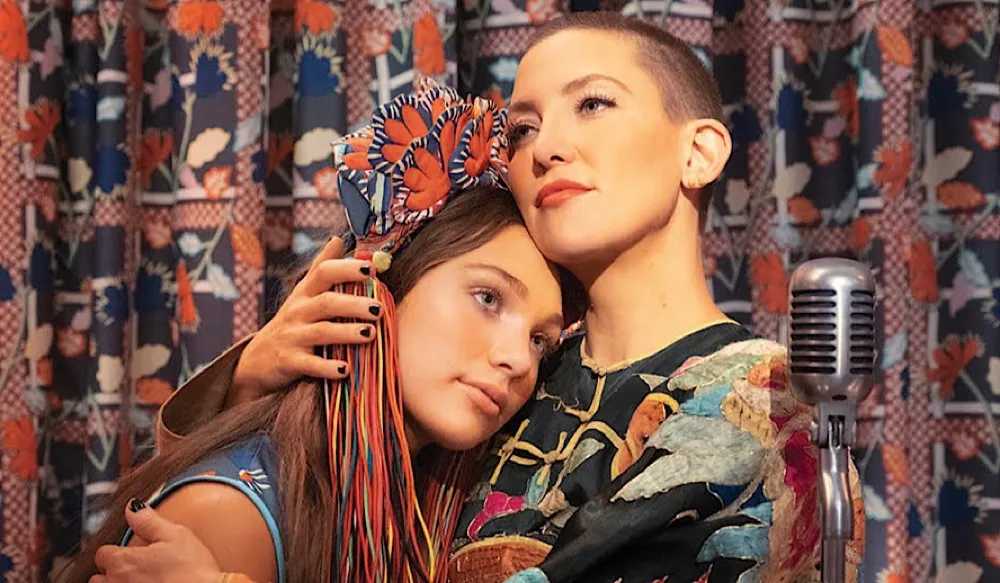 My Request to Hollywood, Start Casting Disabled Actors In Disabled Roles
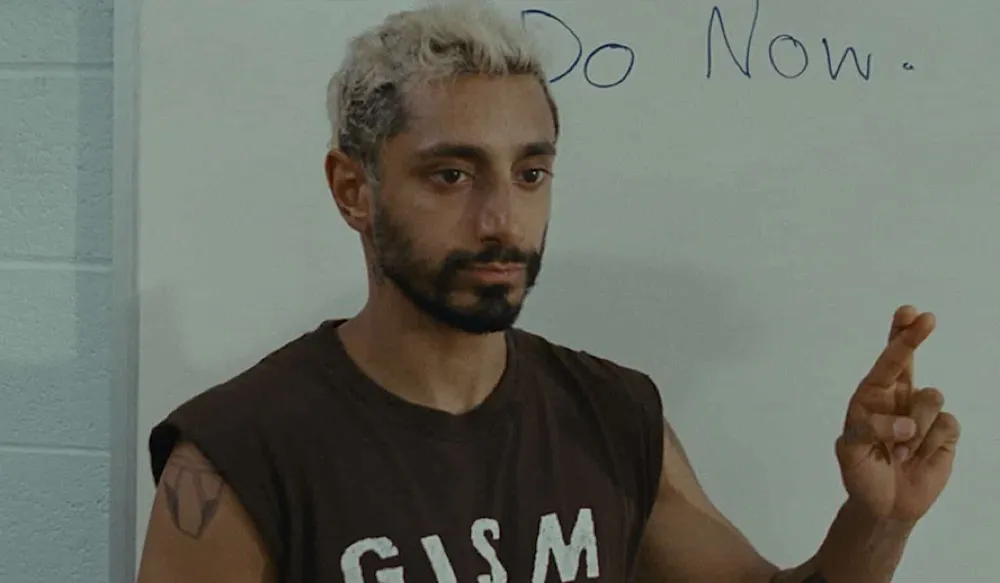 Deaf Awareness: What Should You Watch to Learn About Deaf Culture and Support Deaf Representation
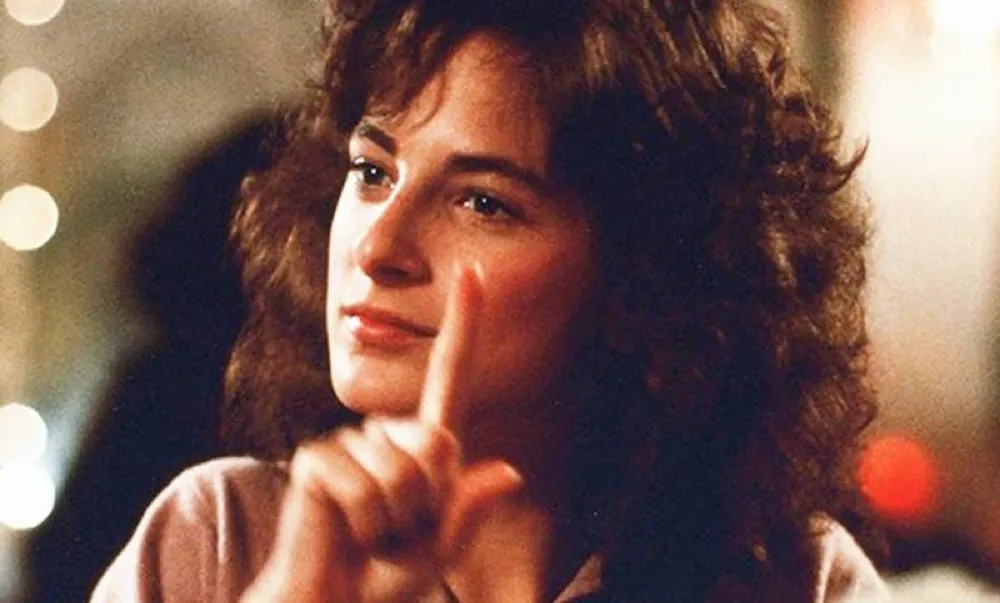 Sign of Change: How Marlee Matlin Redefined Acting and Disability in Hollywood
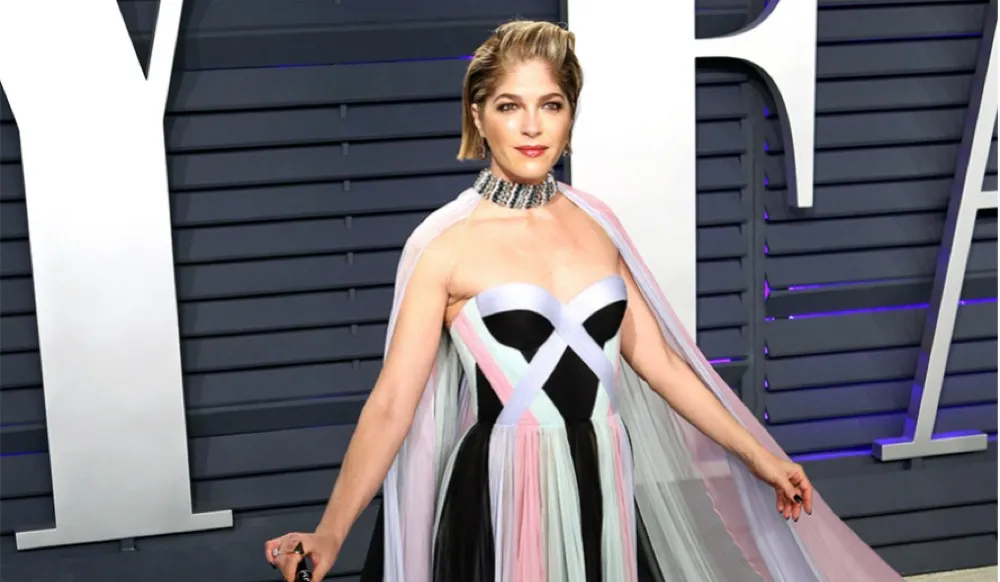 Icon Selma Blair Is Rejecting Pity Instead Wants Recognition For Disabled People
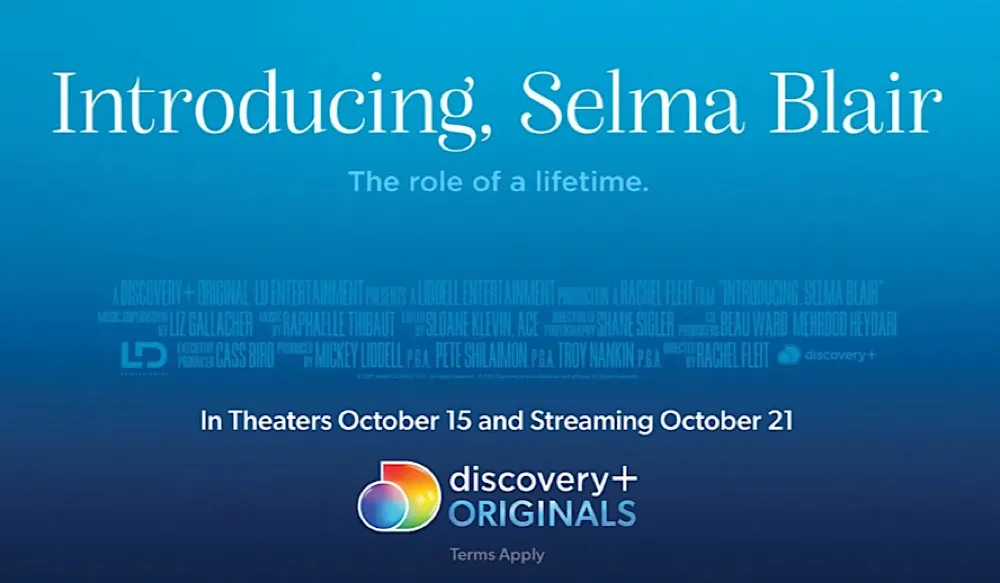 ‘Introducing, Selma Blair’ Documentary On Her Battle With Multiple Sclerosis
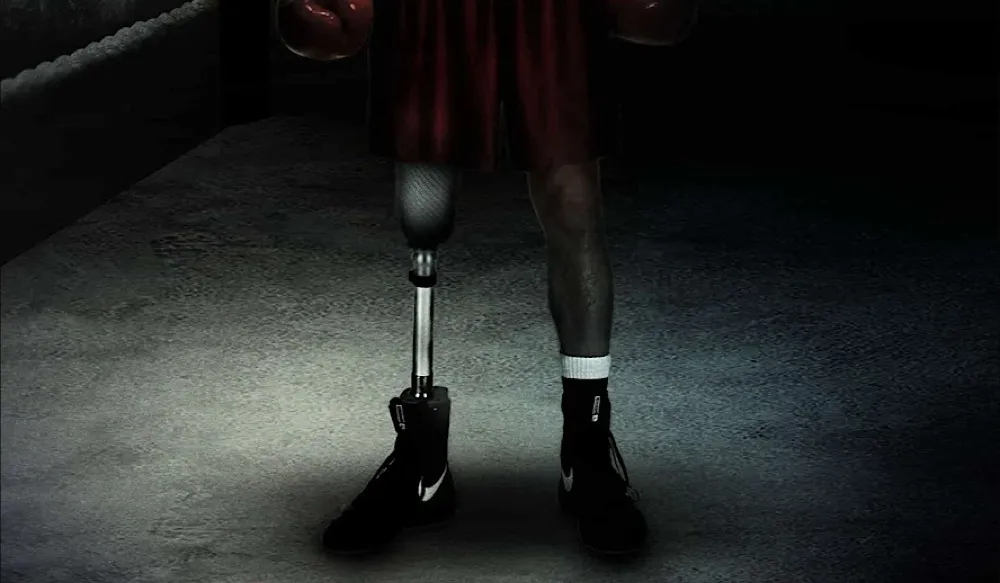 ‘Gensan Punch’: A Boxer with a Prosthetic Leg Strives for Greatness
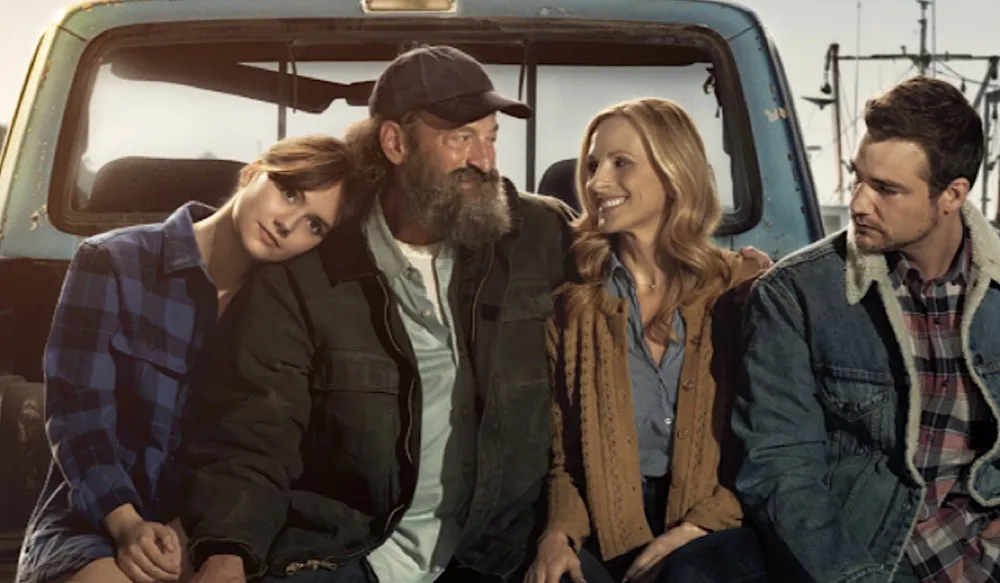 ‘CODA’: A Child of Deaf Adults Must Make the Tough Decision Between Herself or Her Family
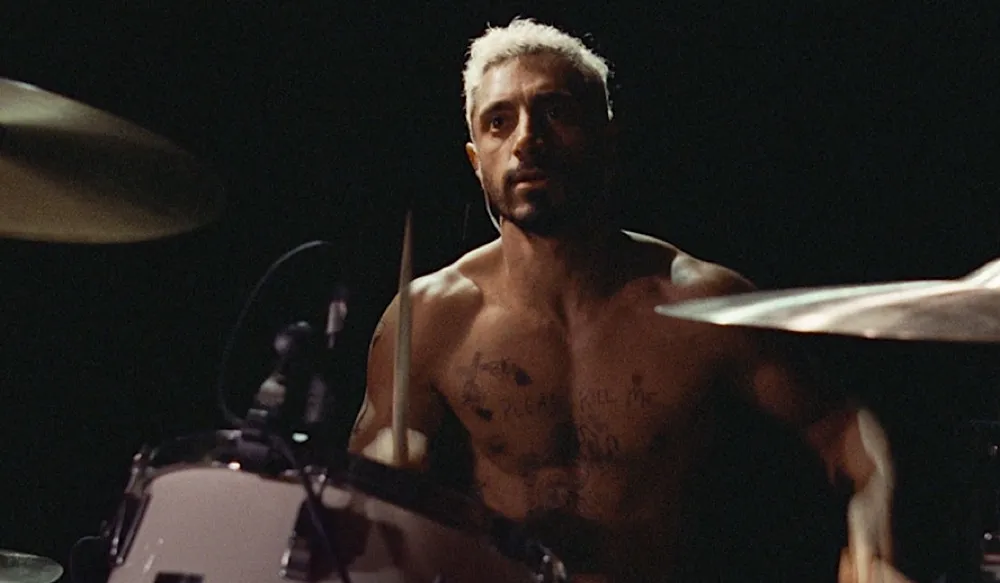 ‘Sound of Metal’: Brilliant Riz Ahmed in Darius Marder’s Look at an Emotional Journey
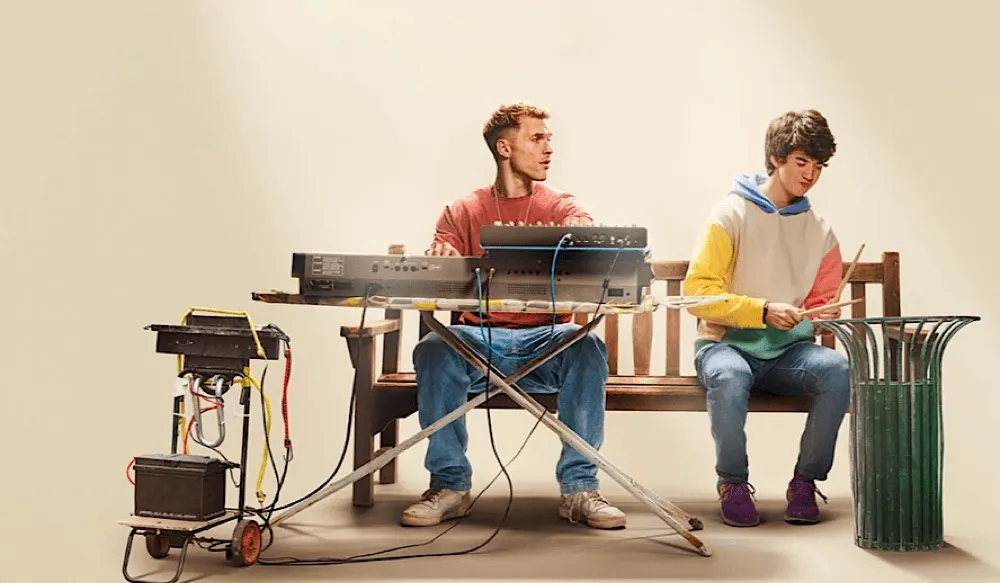 ‘I Used to Be Famous’ - A Tale of an Unexpected Friendship
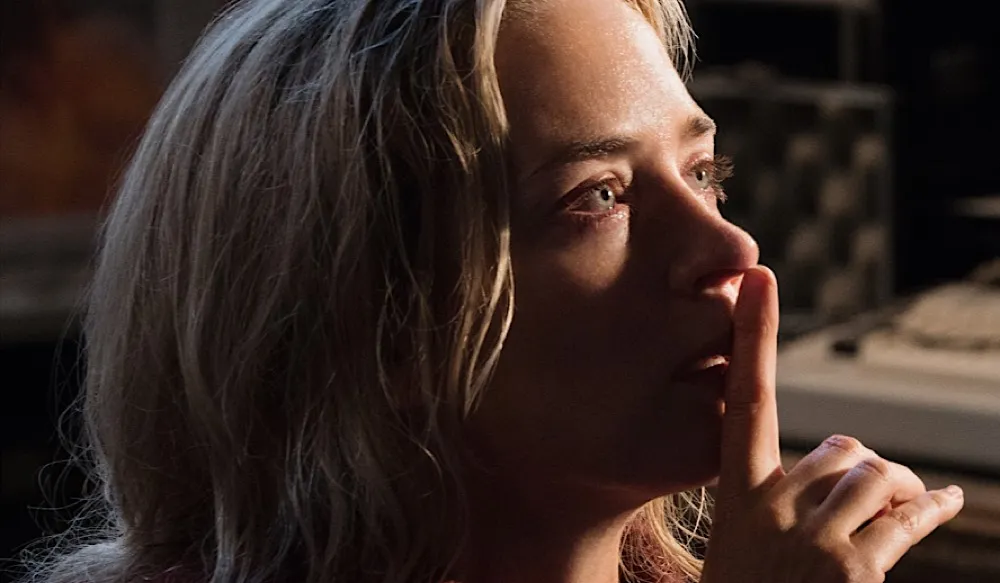 5 Famous TV Shows and Movies Featuring American Sign Language