

Cause 19 of 38Children & Education2012
Let Children Be Children - Safer Childhood Edition
Child-safety advocacy since 2012
- How it began
- Child-centred work includes 2023 Ukraine school visits; new umbrella title in 2026.
- When did it start
- 2012
- Where it stands
- Ongoing advocacy
The foundation’s Let Children Be Children work began in 2012. Its protection agenda now encompasses safety in schools, the welfare of child performers, digital privacy, family vlogging, exploitation, girls’ education and the protection of children affected by conflict.
Safety means protection from violence, exploitation and coercion
The edition brings together the foundation’s longstanding child-centred humanitarian work and a modern programme of advocacy for safer childhoods: protection at home, in education, at work, on screen and online. Children deserve the right to learn, grow, play and be heard without exploitation or fear.
Child influencers, family vlogging and digital rights
Hollywood Insider’s article The Problem with Family Vlogging and Why Children Are at Risk (2022) examined the dangers of making young people’s private lives into monetised content. Influencer Coogan Laws: Jackie Coogan in the Digital Age (2024) addressed the need to protect children who become online performers, including questions of pay, consent and the control of their public image. This journalism is part of the foundation’s educational action on child protection, not merely a reading list.
Child performers: safety ahead of production
Hollywood Insider’s Protect Young Stars coverage and its article about Corey Feldman’s advocacy addressed safety for child performers in film and television. These editorial projects form a wider public case for safeguarding, accountability and the right of young people to grow up outside coercive working environments.
Children under bombardment: education in Ukraine
In 2023 Ambroase visited Ukrainian schoolchildren and educators who continued lessons in underground spaces because of the war. His published encounter recorded children studying under threat and encouraged them to continue learning. His completed feature cinema-docu Can I Go Home Now? gives fifteen Ukrainian children the opportunity to speak about war themselves.
Girls’ education, child marriage and survivors’ voices
The editorial work also includes features concerning Theresa Kachindamoto and her campaign against child marriage in Malawi, the animated film Sitara: Let Girls Dream, and reporting on abuse portrayed in the cinema-docu Sins of the Amish. These articles amplify issues and advocates; they are not described as services delivered directly by the foundation.
The foundation’s current action is advocacy, public-interest media and education. The edition is not a child-protection hotline or emergency service; immediate safeguarding concerns should be directed to appropriately qualified local services.
Our published journalism and advocacy in action
These interviews, features, investigations and public statements are part of the edition’s completed media and advocacy work. They bring attention to the people and concerns at the heart of each cause. Each piece retains the original publisher and credits; the foundation does not claim responsibility for actions performed by the people covered.
Published journalism and original materials contribute to this edition’s humanitarian advocacy and public education. Article links represent completed media work, not automatic evidence of separately delivered services.
In the media
 Protect Young Stars
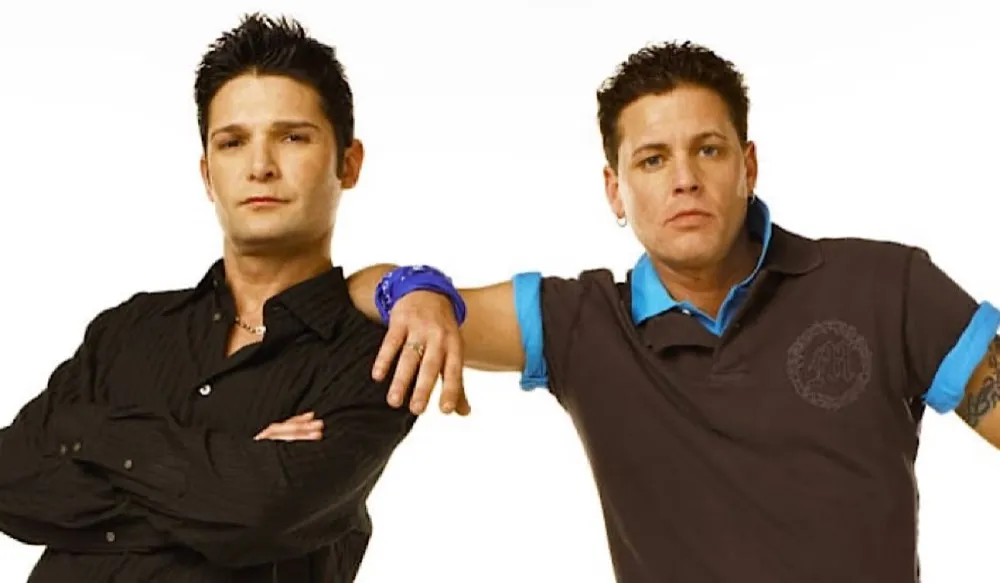 The Price of Truth - Corey Feldman and Child Performer Protection
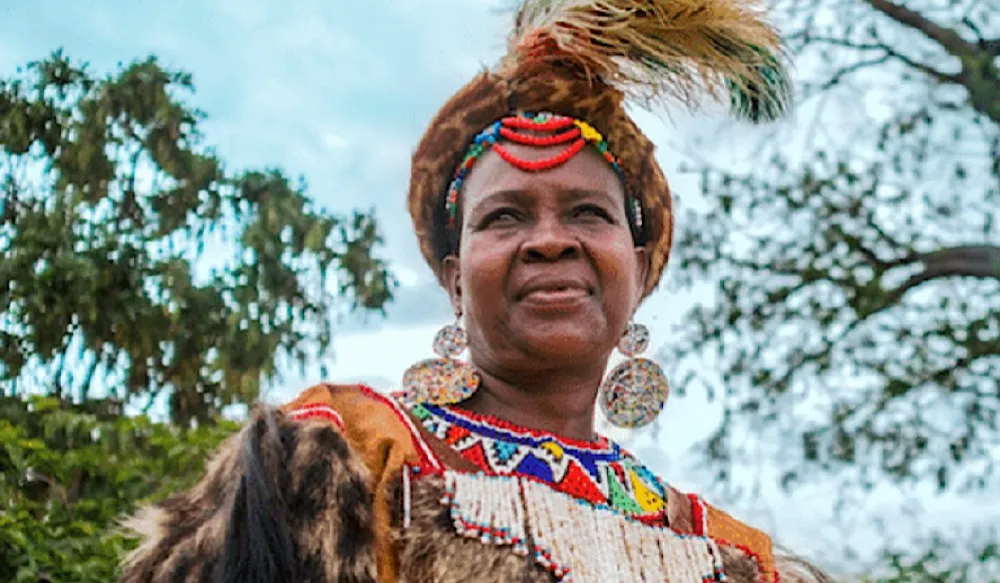 Theresa Kachindamoto Is a Real-Life Black Queen
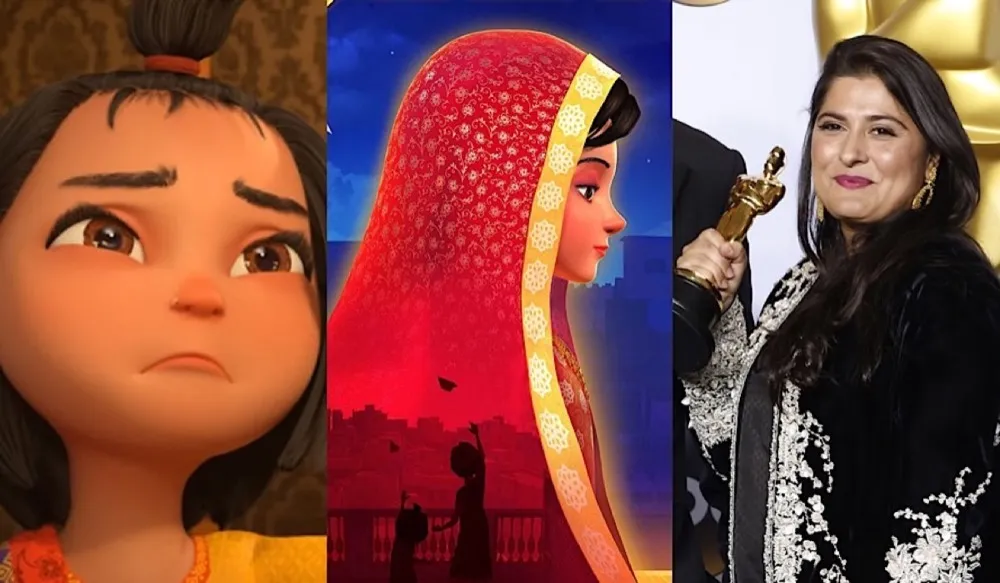 Sitara: Let Girls Dream
 The Problem with Family Vlogging and Why Children Are at Risk
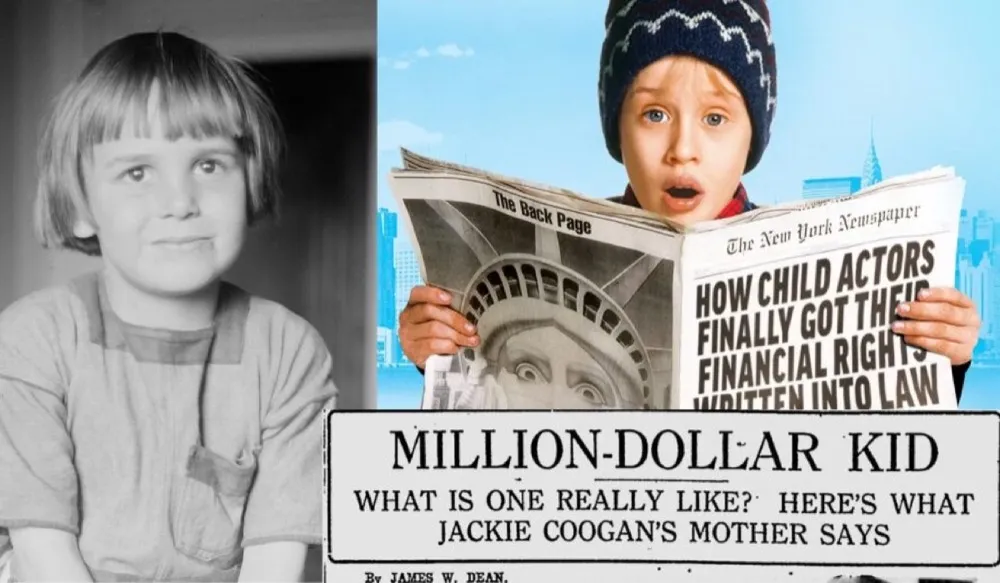 Influencer Coogan Laws: Jackie Coogan in the Digital Age
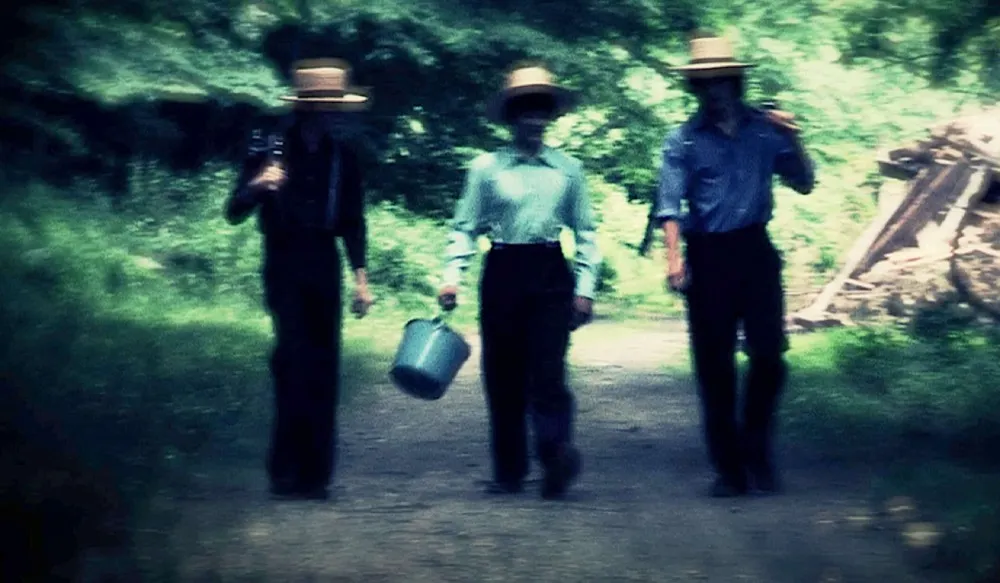 ‘Sins of the Amish’: The Secret Abuse within Amish Communities