Cause 27 of 38Equality & Inclusion2017
Immigration, Refugees and Belonging
Immigration, refugees and belonging - since 2017
- How it began
- Messages from America immigration coverage since 2018.
- When did it start
- 2017
- Where it stands
- Ongoing advocacy

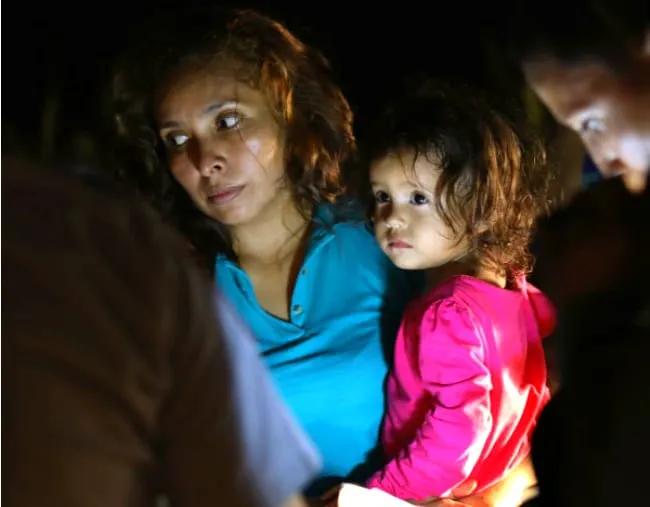
2019: Chilling Footage of Trump's Immigration Policy
This edition began in 2017, centring the rights, dignity and voices of refugees, migrants and displaced families. Later Hollywood Insider productions, including Messages from America, further developed this advocacy through direct interviews, reporting and public dialogue.
No person is defined by a border.
The foundation’s concern for displaced people is rooted in work responding to war, disaster and the loss of home. From its early Can I Go Home Now? initiative to its later work with Ukrainian children, it has spoken about the human lives behind migration and displacement.
What we have brought to public attention
Humanitarian campaigns, the Speak Up Edition and the Messages from America interviews have addressed the experiences of refugees, migrants and families navigating new communities. These published conversations helped bring personal voices into subjects too often reduced to slogans.
What we stand for
Safe refuge, dignity, equal treatment, family unity and a fair opportunity to build a life. The foundation advocates these principles without pretending to provide immigration representation or a government resettlement service.
Let people tell their own stories
The Messages from America interviews and associated humanitarian storytelling give migrants and refugees an opportunity to be more than statistics or headlines. Publishing and circulating those accounts is active humanitarian advocacy that challenges prejudice and makes family unity, refuge and belonging matters of public concern.
Advocacy is action. Original journalism, public education, campaigning, interviews and community dialogue are meaningful work in this cause. The foundation distinguishes that public action from direct services or results delivered by other organisations.
Published journalism and original materials contribute to this edition’s humanitarian advocacy and public education. Article links represent completed media work, not automatic evidence of separately delivered services.