

Cause 8 of 38Children & Education2007
Education Reform Edition
An education should teach us how to earn a living. It should also teach us how to live, how to understand one another, and how to make the world better.
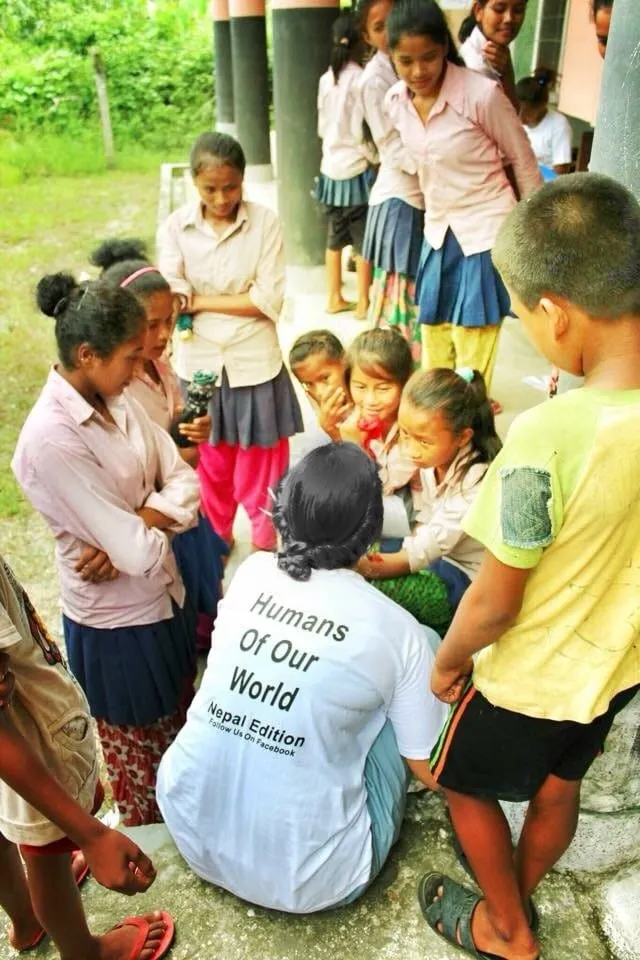
- How it began
- Humans of Our World Foundation began advocating for education reform in 2007, building on its earlier involvement in youth mentoring and educational engagement.
- When did it start
- 2007
- Where it stands
- Ongoing reform advocacy
Our belief: School should prepare children for real life, not merely examinations. Every child deserves access to learning that develops practical independence, compassion, critical thought, cultural understanding and the confidence to shape a better future.
We must educate the human being, not just the future employee.
Children leave school knowing facts, yet many enter adulthood without being taught how taxes work, what a mortgage means, how to recognise predatory debt, how to resolve a disagreement peacefully, or how to relate to someone whose language, religion or nationality differs from their own. Such gaps can have consequences for individual opportunity and for the societies we build together.
Humans of Our World Foundation began advocating for education reform in 2007, building on its earlier involvement in youth mentoring and educational engagement. The mission is not to dismiss academic learning, examinations, literature, mathematics or science. It is to ensure that academic excellence and human development are partners, never competitors.
Education should not only ask: “What do you know?” It should also ask: “How will you live, and how will you treat others?”
Education Reform Edition speaks to schools, families, policymakers, educators, young people and the wider public. Its proposals are an agenda for discussion, trials and responsible adoption - not claims that governments have already enacted them.
Our eight pillars of education reform
Life, money & independence
Teach the financial realities of adulthood. Introduce age-appropriate lessons from middle school onward on budgeting, salaries, savings, banking, credit, loans, interest, mortgages, renting, taxes, insurance, contracts, consumer rights, pensions and the risks of fraud. Young people should learn to ask informed questions before making consequential financial decisions.
The 32-minute compassion class
Make compassion an everyday practice. The foundation proposes a dedicated daily 32-minute compassion-education class: stories, discussion, role-play, reflective exercises, collaborative problem-solving and appropriate community projects. Students explore empathy, dignity, prejudice, disability inclusion, bullying, loneliness, kindness, consent, conflict and the responsibility to help others.
PeaceTalks
Connect students across borders. Create structured, safeguarded exchanges between schools in different countries using suitable modern video platforms. The original proposal envisaged conversations through Skype; today the principle is the same: students should meet one another as human beings, not stereotypes, and collaborate on projects of shared concern.
Humanity & cultural understanding
Teach what connects us. Explore the histories, languages, religions, traditions, achievements and perspectives of different societies. Encourage both a healthy sense of local or national identity and a wider human identity, with space to examine differences honestly and respectfully rather than denying their existence.
Positive world news & media literacy
Show children progress as well as problems. Teach students to follow constructive developments in science, medicine, art, public service, conservation and community action worldwide. Pair positive examples with source-checking, critical thinking and the ability to recognise misinformation. Optimism should be informed, not naïve.
Diplomacy & peaceful disagreement
Teach the art of resolving differences. Develop listening, negotiation, mediation, respectful debate, compromise and non-violent conflict resolution. Students should practise defending ideas without dehumanising others and learn how dialogue can prevent small disagreements from becoming lasting divisions.
Education as a basic right
Education through secondary completion. Advocate for accessible, inclusive, quality basic education through secondary-school completion for every young person, without exclusion due to poverty, disability, geography, gender, displacement, caste or social background. This remains a foundation policy objective, alongside existing international education-rights commitments.
Real-world skills & opportunity
Respect different routes to a meaningful life. Strengthen mentoring, vocational opportunities, digital and AI literacy, communication skills, health literacy, career exploration, entrepreneurship and practical problem-solving. Support learners with different abilities and pathways; a person’s value is not reducible to grades, university admission or earning power.
What happens in the 32-minute compassion class?
A school could combine brief, age-appropriate storytelling with structured discussion and action. Pupils might hear a personal account of discrimination, practise how to intervene safely in bullying, learn to recognise isolation, or collaborate on a practical act of service. The foundation’s original vision also includes regular activities outside the classroom.
For example, one week might examine loneliness in older generations; another, access barriers for differently-abled people; another, the experience of a student who has fled conflict. Students are encouraged to understand the people involved rather than treating suffering as spectacle. Community projects must be safe, inclusive and properly supervised.
Compassion must be taught without coercion.
Participation should be age-appropriate and psychologically safe. Children must not be forced to reveal personal trauma, disclose sensitive beliefs, or undertake unsupervised volunteering. Educators should make room for reflection, disagreement and the privacy of students and families.
The 32 minutes are the foundation’s specific proposal, not a scientifically established universal optimum. Schools and researchers should test the approach, assess outcomes and adapt it responsibly.
PeaceTalks: a classroom connected to the world
Imagine students in England speaking regularly with students in Nepal, Nigeria, Italy, Ukraine or Brazil. They could compare an ordinary school day, discuss literature, share local environmental projects, and discover the similarities beneath unfamiliar customs. Such meetings should build on genuine reciprocity: students in every country contribute knowledge rather than being presented as recipients of somebody else’s wisdom.
Participating schools would need teacher oversight, parental permissions where required, child protection arrangements, approved communications platforms, privacy safeguards, accessibility measures and clear rules around recording or publishing student images. International exchanges must never expose children’s identifying or location details unnecessarily.
PeaceTalks would advance education through friendship and constructive discussion. It is a proposed approach for schools and partners to explore, not an operating global programme claimed to be in place today.
What the foundation has done, and what it seeks to change
- Since 2006 · Early youth mentoring. The foundation’s account records involvement in mentoring, educational encouragement and youth-facing engagement before the named Education Reform Edition.
- 2007 · Education Reform Edition begins. The broader education-reform advocacy programme is identified as beginning in 2007.
- 27 August 2018 · Original reform agenda published. The original public article set out practical life education, daily compassion lessons, cultural similarities, international school communication, positive world news, diplomacy and education through secondary graduation.
- Continuing · Public education and advocacy. Through talks, journalism, films and proposals, the foundation seeks to keep these issues in public discussion and provide pathways for future educational partnerships.
The foundation’s earlier materials describe school and motivational talks, mentoring and educational initiatives across a range of countries, including a historical statement referring to programmes in 25 countries. Humanitarian supplies given to children after disasters are meaningful assistance but must not be conflated with implementation of a formal school curriculum.
Our distinction: advocacy, original publications and public education are genuine forms of work. They are not proof that every proposed reform has been approved by a ministry, adopted by a school system or delivered to a stated number of students.
Technology must widen opportunity, not deepen inequality
AI tutors, accessible reading tools, translation, speech technology and adaptive learning can help teachers support pupils with varied needs and circumstances. But effective education still requires human relationships, qualified teachers, reliable assessment, and the ability to question automated answers.
The foundation advocates for equitable access to devices and connectivity, age-appropriate AI literacy, strict protection of children’s personal data, safeguards against algorithmic discrimination and clear limits on commercial surveillance in classrooms. Technology should support teachers, never turn children into data products or replace human care.
Education during wars, displacement and natural disasters also needs special attention. Safe learning spaces, continuity of teaching, language assistance, psychosocial support and protection from exploitation are essential to helping children recover a sense of stability and possibility.
Published journalism that advances the conversation
Hollywood Insider was founded on a media philosophy combining meaningful entertainment, education and philanthropy while rejecting gossip and scandal. The following selected pieces can support classroom discussion and public education. They are examples of published journalism - not proof of the foundation delivering a school programme.
From a compelling idea to a measurable programme
For schools and educators
Explore pilot classes in compassion, financial life skills or international dialogue. Develop a teacher-led lesson plan with measurable learning goals, age-appropriate content and pupil feedback.
For parents and communities
Share practical knowledge, model respectful disagreement, encourage reading across cultures and make time for conversations about money, responsibility and kindness.
For policymakers
Review gaps in curricula, teacher capacity, accessible learning, poverty barriers and protection of disadvantaged learners. Consider independent pilots before wider rollout.
For partners and researchers
Support safeguarding-led curriculum development, evaluation, accessibility, educational exchanges and programmes that schools can adapt to their context.
Success should be measured by what students can understand and apply, not by the number of posters, social-media views or declarations of support. Useful indicators may include financial literacy, school engagement, participation, reported sense of belonging and demonstrated conflict-resolution skills, assessed with suitable care for privacy and cultural context.
Education should prepare a child for the world - and prepare the world to be kinder to that child.
If you represent a school, university, education organisation, charity or research institution interested in developing responsible educational pilots or helping advance these ideas, contact the foundation to discuss collaboration.
In the media
 Powerful Technique for Success, Personal Development and LeadershipPersonal development and the power of language to shape attitudes; especially relevant to mentoring, confidence and reflection.
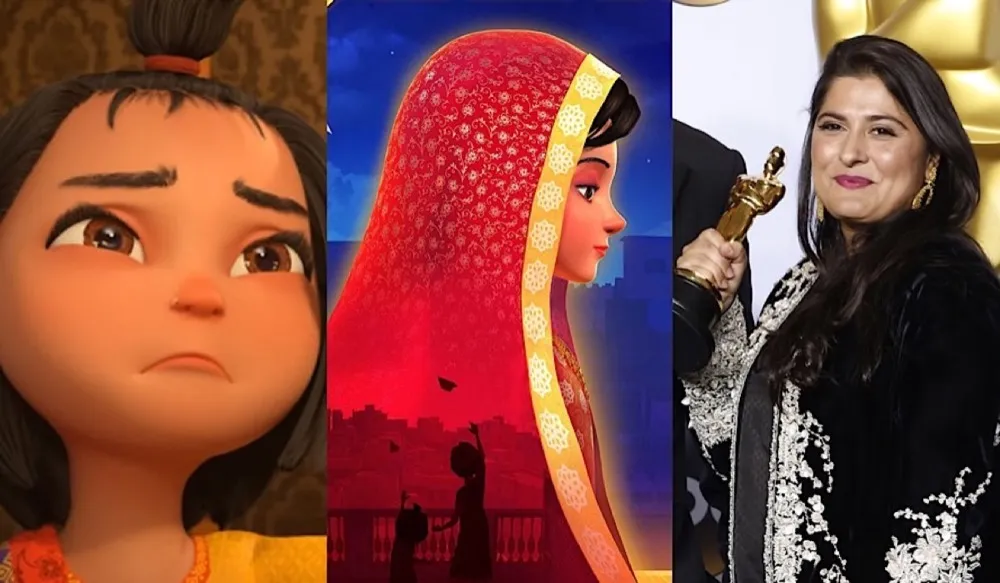 ‘Sitara: Let Girls Dream’ - barriers to girls' aspirationsFilm and education as a starting point for discussion of forced marriage, girls' opportunities and the right to pursue ambitions.
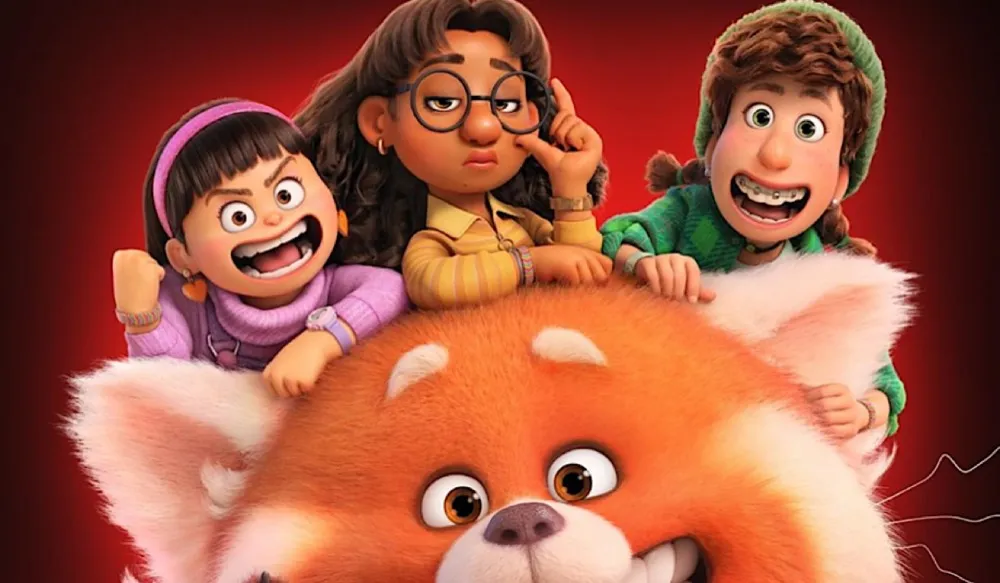 Pixar's ‘Turning Red’ on Generational Trauma: How a Big Red Panda Teaches Us EmpathyA cultural example for facilitated conversations about family relationships, empathy and understanding different experiences.
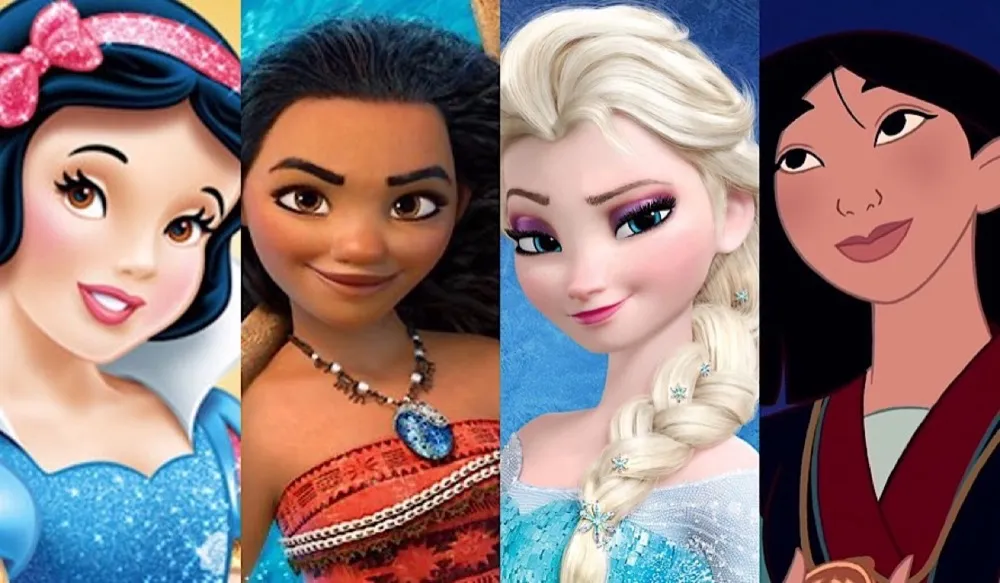 Disney Princess Evolution
 Dangerous Selfie Culture