

Cause 25 of 38Humanitarian Relief25 April 2015
The World Stands With Nepal
#dontforgetourNepal. An earthquake may disappear from the headlines. The people rebuilding their lives do not.
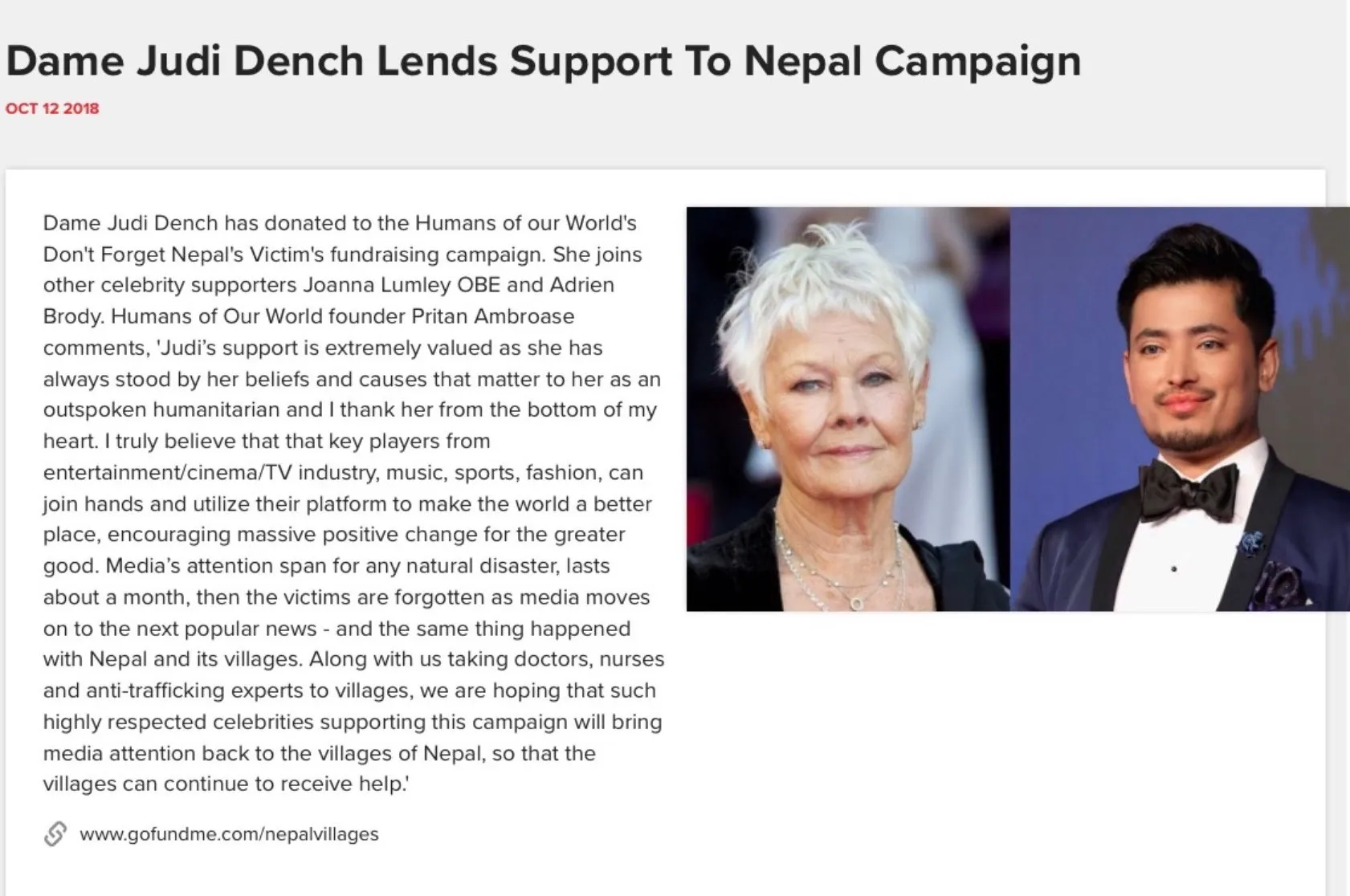
- How it began
- In the wake of the earthquakes, the foundation introduced #dontforgetourNepal to bring voices together across borders.
- When did it start
- 25 April 2015
When devastating earthquakes struck Nepal on 25 April and 12 May 2015, entire villages were destroyed. Families lost loved ones, homes, places of worship, schools and livelihoods. Amid the destruction, Nepali communities organised, cared for neighbours and began the difficult work of rebuilding. Their resilience deserved sustained international solidarity - not a few days of attention.
Humans of Our World Foundation responded through medical and psychological assistance, local partnerships, rebuilding, international advocacy and public-interest media. Its campaign, #dontforgetourNepal, called on the world and the press to continue paying attention after the initial emergency had passed.
The purpose was human and immediate: people who had lost their homes deserved the chance to answer the question at the heart of the foundation’s original mission - Can I Go Home Now?
- 600+ patients reported served through the June 2015 Dolakha camp
- 1,100 children reported reached through the Dolakha response
- 100 blankets reported distributed through the June 2015 Dolakha response
- 2015–19 dated relief, rebuilding, partnership and advocacy milestones featured here
Don’t Forget Our Nepal.
In the wake of the earthquakes, the foundation introduced #dontforgetourNepal to bring voices together across borders. The campaign’s message was not simply to watch Nepal’s suffering, but to remain engaged - to share reliable information, support local people and keep the needs of affected communities visible long after the breaking-news cycle ended.
Public communication was part of the humanitarian response. Social media could mobilise people, encourage donations, help local organisations connect with supporters and press institutions to remember communities far from urban centres. Advocacy was action. It existed alongside - and helped sustain - practical relief.
The end of a news cycle must never mean the end of humanity’s responsibility.
The foundation’s original Nepal campaign also made an explicit connection between emergency shelter and enduring dignity: rebuilding a home is about restoring security, belonging, routine and the possibility of a future.
2015: Medical care, psychological support and immediate relief
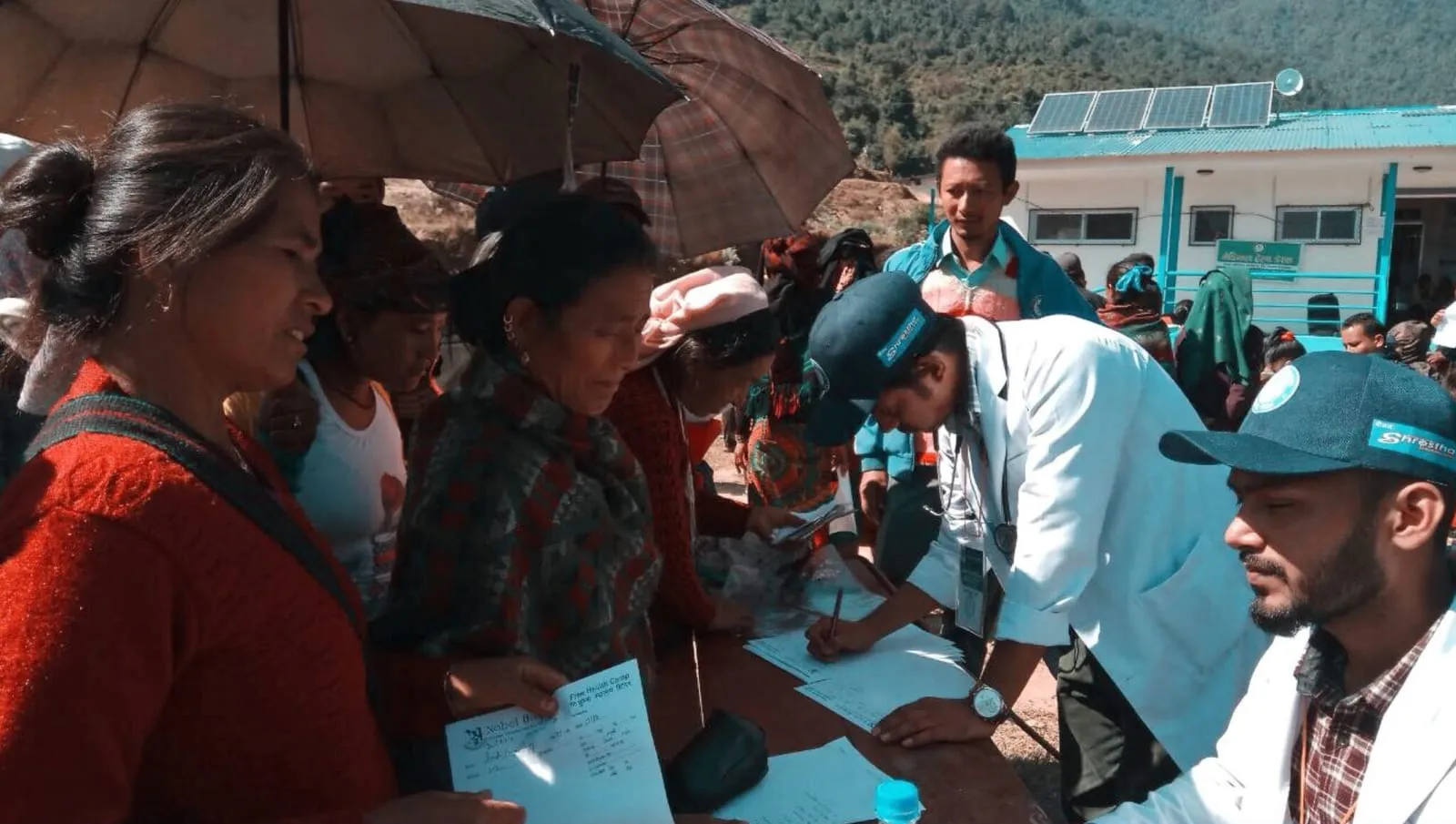
After the second major earthquake, the district of Dolakha faced acute challenges of access, health and recovery. On 6–7 June 2015, Humans of Our World and Healthy Nepal, with a network of allied grassroots groups, supported a medical and wellbeing camp reaching communities affected by the disaster.
The effort addressed physical health and psychological distress. Earthquakes do not end when the ground stops shaking: fear of further tremors, grief, disrupted schooling and the loss of familiar homes can affect daily life for months and years.
The Dolakha response, 6–7 June 2015
- Six medical professionals and five psychological counsellors participated, supported by 15 volunteers, according to the foundation’s historical campaign account.
- More than 600 patients received care and 1,100 children were reported reached through the wider camp activities.
- 100 blankets and 600 educational items were supplied.
- The response involved local and allied organisations, including Healthy Nepal Foundation, Hug and Heal Foundation, Solidarity International, Rotaract Club of Kathmandu and community partners.
These figures are taken from the foundation’s contemporaneous and later published accounts of the camp. They describe one distinct relief operation; they should not be combined with figures from other medical missions.
Importantly, this was coordinated assistance with local people, not an outside organisation arriving to replace Nepal’s knowledge and capacity. Local partners understood the terrain, community needs and practical realities of delivering care.
Homes, villages and the right to rebuild
The foundation’s humanitarian approach went beyond emergency supplies. Rebuilding an earthquake-affected village requires immediate relief, then safe homes, functioning services and, over time, opportunities for education, work and local prosperity.
The foundation’s historical accounts describe support for village recovery, fundraising and rebuilding efforts in earthquake-affected communities. That work reflected the importance of restoring stability and security for families after the disaster.
Meelan Gurung, then involved in the foundation’s leadership, commissioned independent field research to identify communities whose needs were being overlooked and to guide better-targeted support. That work reflected a central lesson from the earthquake response: assistance should follow actual community priorities and local information, not the places that are easiest to reach or photograph.
The foundation’s wider Rebuild Villages philosophy describes three connected forms of action: relief when the crisis strikes; rebuilding homes, schools and infrastructure; and supporting long-term village life through education and economic opportunity. The distinction matters: these are different phases of humanitarian work, and an intention to support a future project should not be confused with a project already delivered.
The people of Nepal are the story
Nepal is a country of extraordinary cultural, linguistic, spiritual and regional diversity. Villages are homes to knowledge, relationships and generations of shared history. A community is not defined only by the damage a disaster has caused.
The foundation’s campaign highlighted a truth often missing from international disaster coverage: Nepali people were leading relief and rebuilding efforts themselves. Volunteers organised, neighbours helped neighbours, and families offered compassion even while living with loss. The purpose of international solidarity was to support this strength, not to create an image of helplessness.
In later reporting from remote villages, the foundation’s representatives described the hospitality of families facing severe hardship, and the formidable physical barriers to reaching settlements by road. Such accounts belong in the edition because they explain why remote communities can remain neglected long after central areas receive assistance.
2018: Don’t Forget Nepal’s Victims
Three years after the earthquakes, the foundation renewed its international appeal through Don’t Forget Nepal’s Victims and related village-focused campaigning. The call was clear: the world’s attention had moved on, but many families - particularly in hard-to-reach areas - still faced serious difficulties.
The renewed campaign sought support for medical and welfare assistance, practical necessities, education, anti-trafficking awareness and the recovery of villages that remained underserved. These were the campaign’s publicly stated priorities; individual activities should only be described as completed where corresponding delivery is documented.
Joanna Lumley publicly supported the campaign in 2018, drawing attention to people left behind after the publicity surrounding a disaster fades. Dame Judi Dench also lent her support to the foundation’s Nepal appeal. They helped make Nepal’s forgotten villages a subject of public discussion again, using their platforms to bring attention and encourage assistance.
Historical foundation materials additionally identify Andy Serkis, Bear Grylls, Amanda Holden and Adrien Brody in connection with the Nepal campaign. Their involvement is part of the historical campaign record, not a claim of fresh or continuing endorsement in 2026.
Through Hollywood Insider, the foundation also brought the campaign into published articles, public appeals and cultural conversation. That journalism and public communication were not simply advertisements for separate humanitarian work. They were themselves completed acts of advocacy: keeping communities visible, challenging short-lived media attention and inviting people to respond.
Remote medical outreach: Ghyachchok
A separate chapter of the Nepal campaign is documented in Hollywood Insider’s August 2019 reporting on the remote village of Ghyachchok. This must not be conflated with the 6–7 June 2015 Dolakha health camp: the location, reported team size and scope are different.
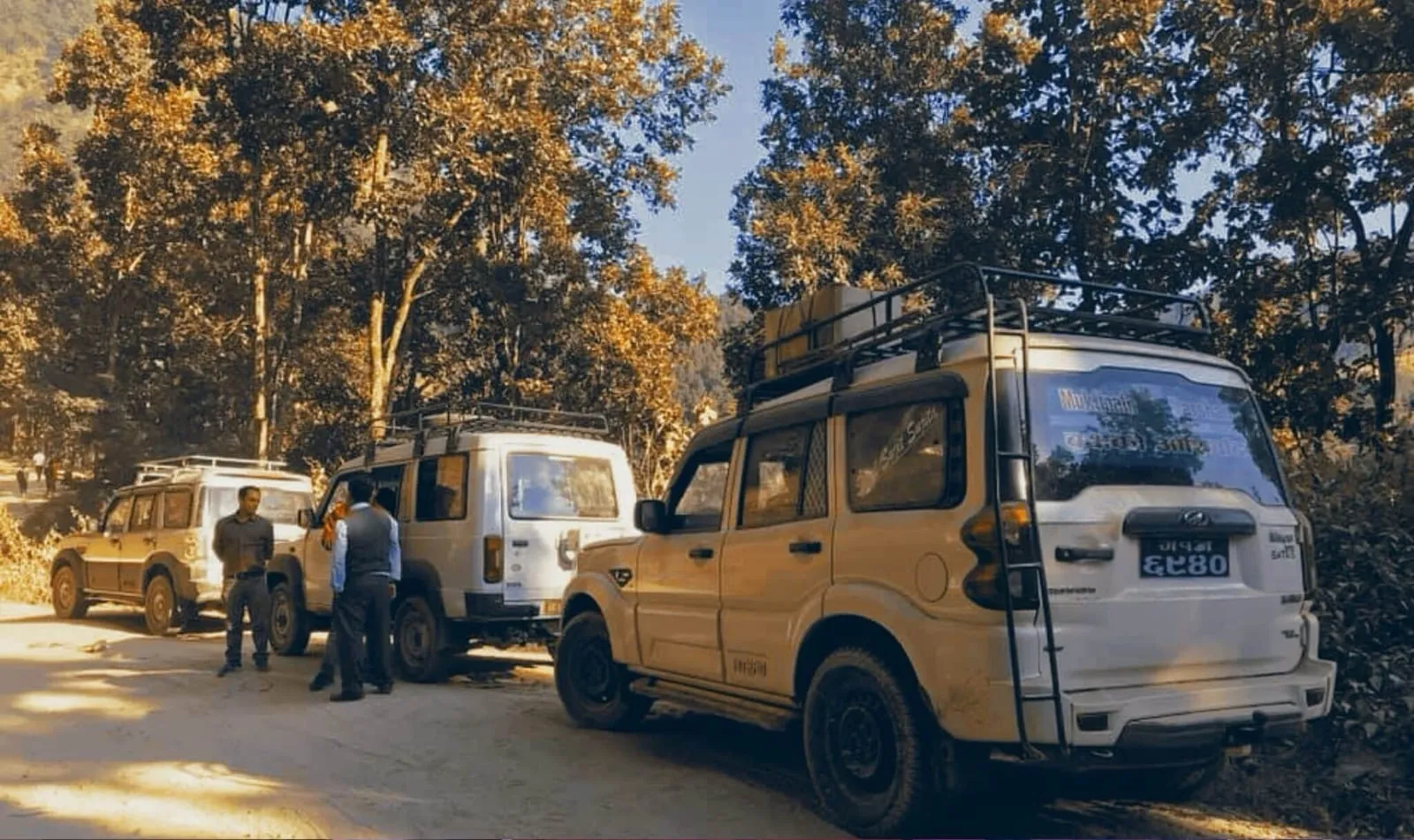
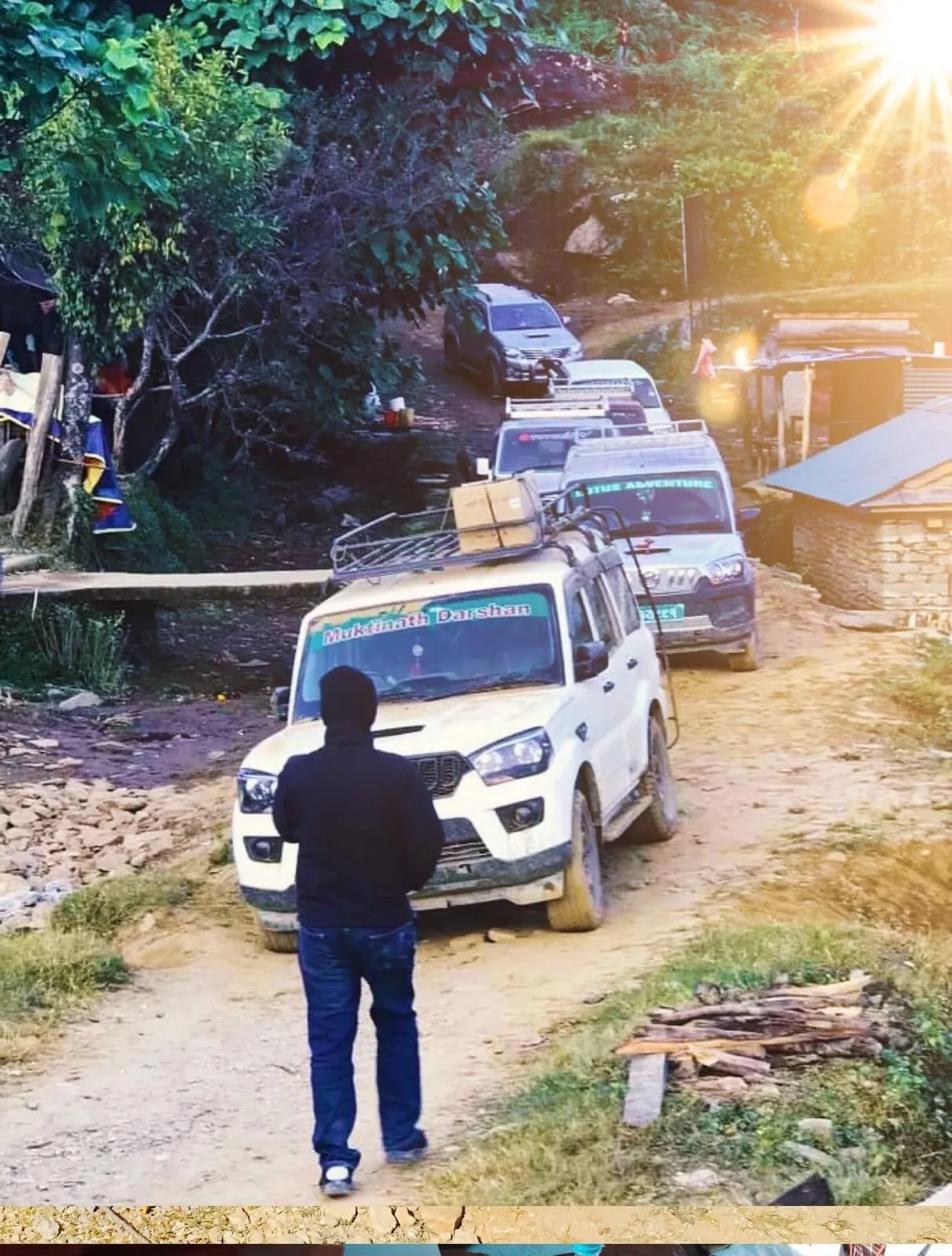
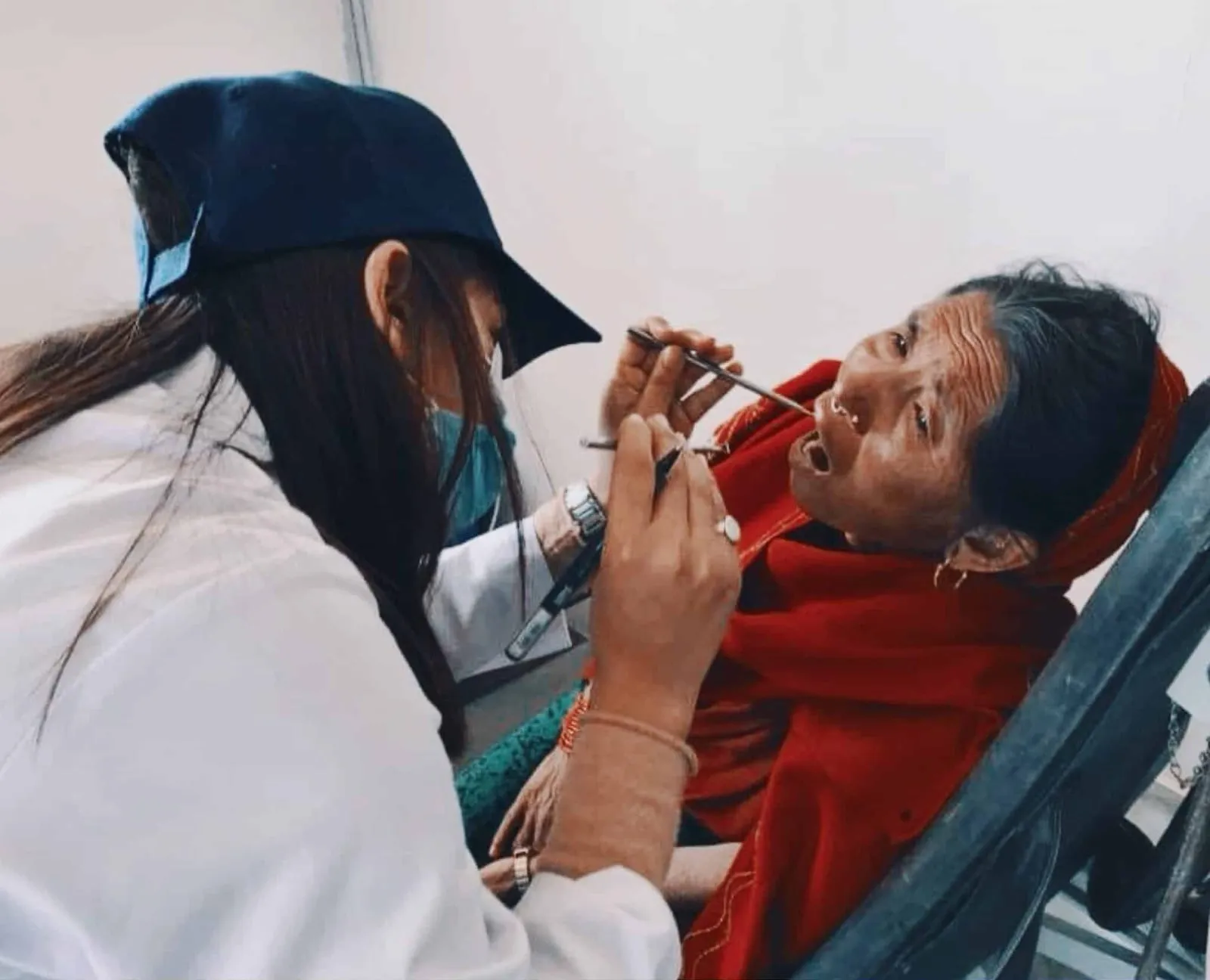
In the published account, a foundation spokesperson described a large team of almost 50 medical and support personnel travelling in a convoy of approximately ten four-wheel-drive vehicles. The journey through mountainous terrain, rivers and narrow roads took around 12 hours. The article describes clinicians from multiple disciplines, including general practice, paediatrics, dentistry, gynaecology, dermatology, orthopaedics, gastroenterology and ear, nose and throat care.
The spokesperson reported that the team served more than 500 patients per day. That number is presented here as the foundation’s published account, not as an independently audited total. The reporting was published in 2019; this page does not assign an unverified exact day to the expedition.
Its significance lies not only in the reported numbers, but in the lengths required to reach people in isolated communities. The journey illustrates why medical access, reliable roads, coordination with local experts and consistent attention to rural Nepal matter far beyond the immediate aftermath of an earthquake.
Local partnerships and humanitarian representatives
The foundation worked with Hug and Heal Foundation and its Nepali partners Indra Gurung and Basudha Gothane, as part of a wider network of local organisations supporting health, wellbeing and community needs. The Nepal campaign’s published history also identifies Healthy Nepal Foundation, Solidarity International, Rotaract Club of Kathmandu and other local volunteers and organisations.
In April 2019, the foundation announced a collaboration with the Nepal Medical Association, building on its medical-camp work. The announcement is an important partnership milestone; it should not be used to imply further medical programmes without separately documented activity.
Dr Fahim Rahim, a foundation ambassador and nephrologist, was involved in Nepal earthquake relief through a humanitarian mission and fundraising and advocacy led by him and his own team. This work deserves recognition, while remaining separate from the foundation’s Dolakha operation and from any other mission’s results.
The principle behind every partnership
Humanitarian work succeeds when it respects the expertise of people on the ground. Local medical professionals, community leaders, volunteers and organisers must be recognised as partners in the work, not as anonymous supporting figures.
Journalism and public advocacy are part of our humanitarian work
For Humans of Our World, reporting on an overlooked community is not merely a reference to the work; responsible reporting is a form of humanitarian action in its own right. The foundation’s use of Hollywood Insider brought attention to the long recovery, the dignity of Nepali communities, rural medical access and the responsibility of news organisations not to abandon people once a disaster has stopped trending.
Joanna Lumley: remembering communities left behind
Hollywood Insider, 28 August 2019. This feature combined a humanitarian appeal with detailed descriptions of remote village access, local cultures and the foundation’s medical outreach. It challenged the cycle in which disaster victims disappear from public view as soon as media attention shifts.
Dame Judi Dench: a public appeal for Nepal’s forgotten villages
Hollywood Insider, 15 August 2019. The article used a prominent public voice to advocate for support for affected communities and explained the long-term difficulties faced by remote villages. This is part of the campaign’s recorded advocacy, distinct from medical care delivered on the ground.
Rebuild Villages: relief, recovery and local leadership
The foundation’s 2018 published account connects the 2015 response, the Dolakha camp and community field research to a wider philosophy of practical relief and lasting village recovery. It also gives credit to Nepali communities who helped organise their own response.
These works contributed to public awareness and advocacy. Where an article describes a proposed appeal, future camp or fundraising objective, that should not be confused with evidence that a proposed service was delivered.
The Nepal edition: key milestones
- 25 April & 12 May 2015 - Earthquakes and #dontforgetourNepal. The foundation mobilised its relief and awareness campaign and called for international attention to remain focused on affected communities.
- 6–7 June 2015 - Dolakha medical and wellbeing camp. Medical care, psychological support, children’s outreach and distribution of essential items through a network of local partners.
- 2015 onward - Rebuilding and community-focused action. Historical reporting describes rebuilding priorities and field research commissioned by Meelan Gurung to guide community-focused assistance.
- 2018 - Don’t Forget Nepal’s Victims. Renewed fundraising and public campaigning for remote villages, with support from Joanna Lumley and Dame Judi Dench.
- April 2019 - Nepal Medical Association. Publication of the association’s announced collaboration with the foundation.
- August 2019 reporting - Ghyachchok and public-interest media. Hollywood Insider published the foundation’s account of a substantial medical mission and called attention to the challenges of reaching remote mountain villages.
Historical scope: The campaign’s founding date is 25 April 2015. The last specific milestone included above is documented in 2019. This does not imply that humanitarian concern for Nepal ended then, or that an active Nepal-specific appeal exists today.
What it means to stand with Nepal
To stand with Nepal means more than appearing when a disaster is news. It means defending the dignity of its people, supporting their leadership, recognising the needs of its remote villages, helping make care accessible and refusing to let survivors become invisible.
This edition is part of the foundation’s wider commitment to rebuilding and protecting communities. Its historical work also connects to Don’t Forget Our Villages, Disaster Relief and the foundation’s wider humanitarian and media advocacy.
Do not forget Nepal.
Remember its people, recognise its communities and help keep humanitarian attention on those living with the long consequences of disaster. To discuss historic records, community collaborations or responsible new partnerships, contact [email protected].
MAKE HUMANITY VIRAL.
Photos
Humans of Our World, Nepal Edition
After the 2015 earthquakes we set up our Nepal Edition to keep the world’s attention on Nepal, and our volunteers and health workers went to the villages.
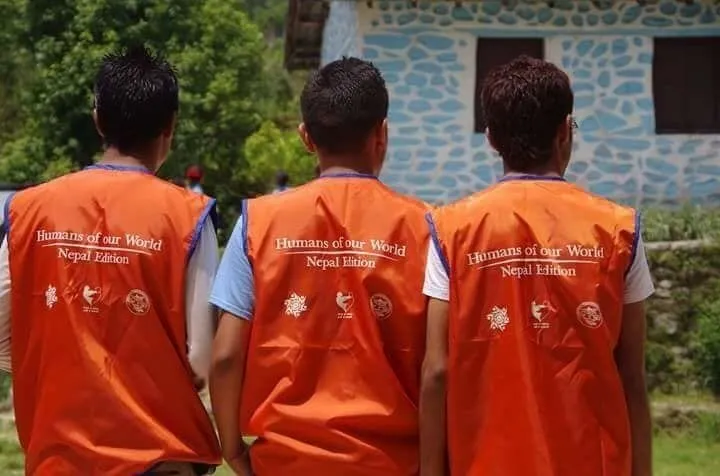
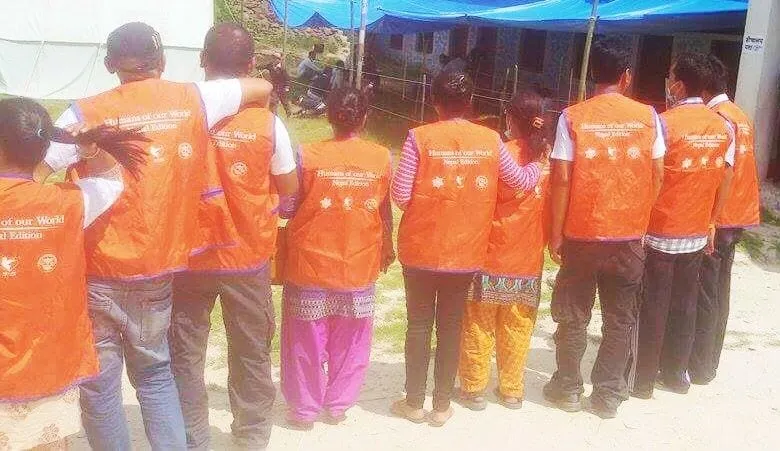
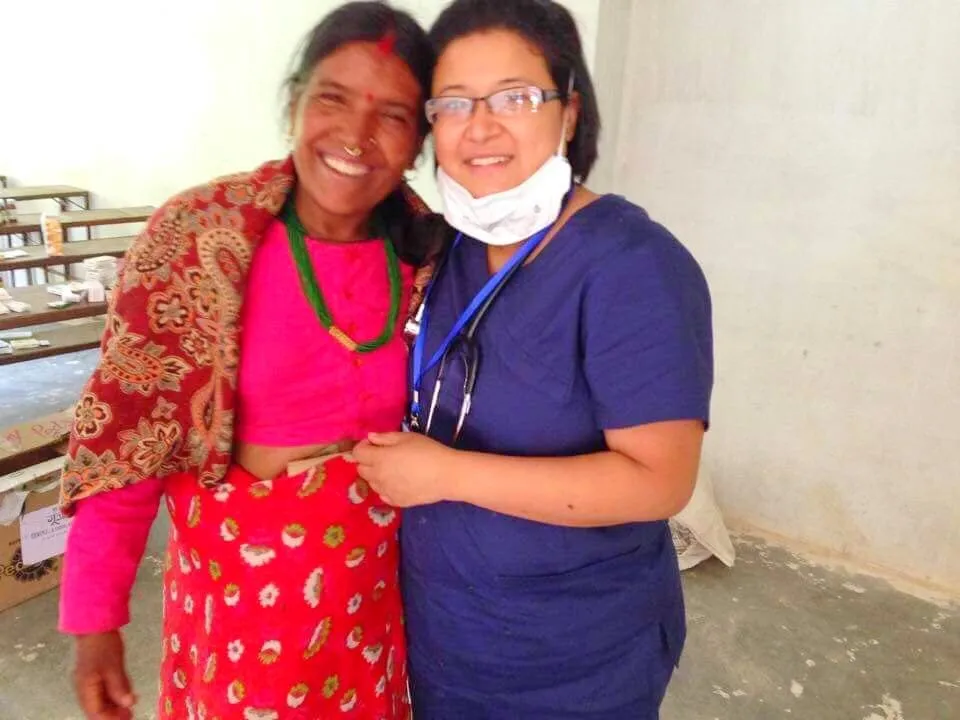
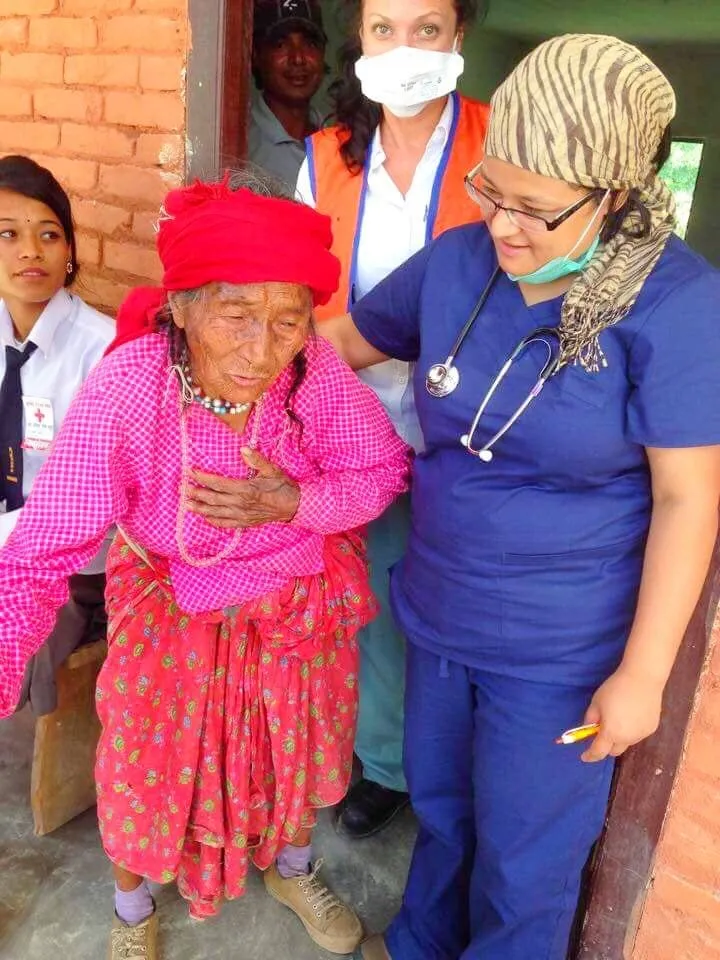
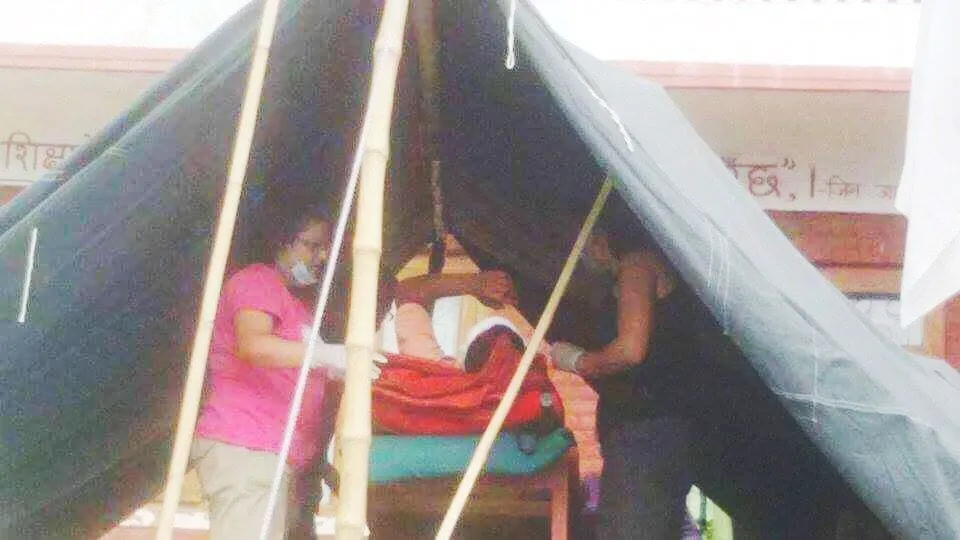
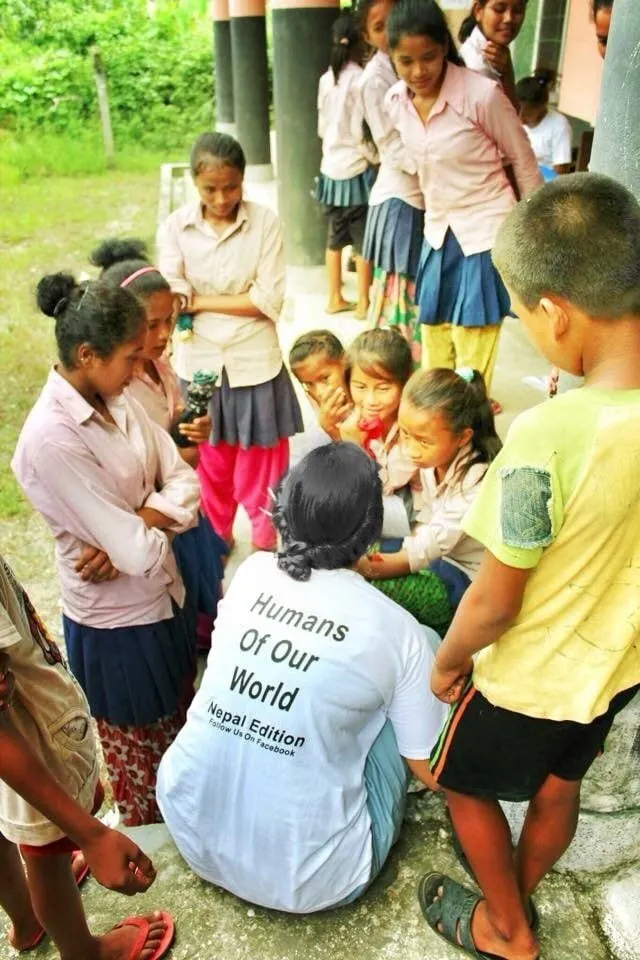
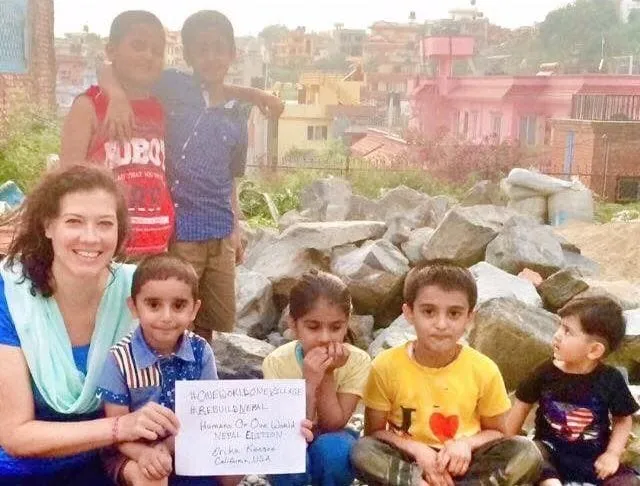
Representative Erika Keese, from the USA, with children in Nepal. 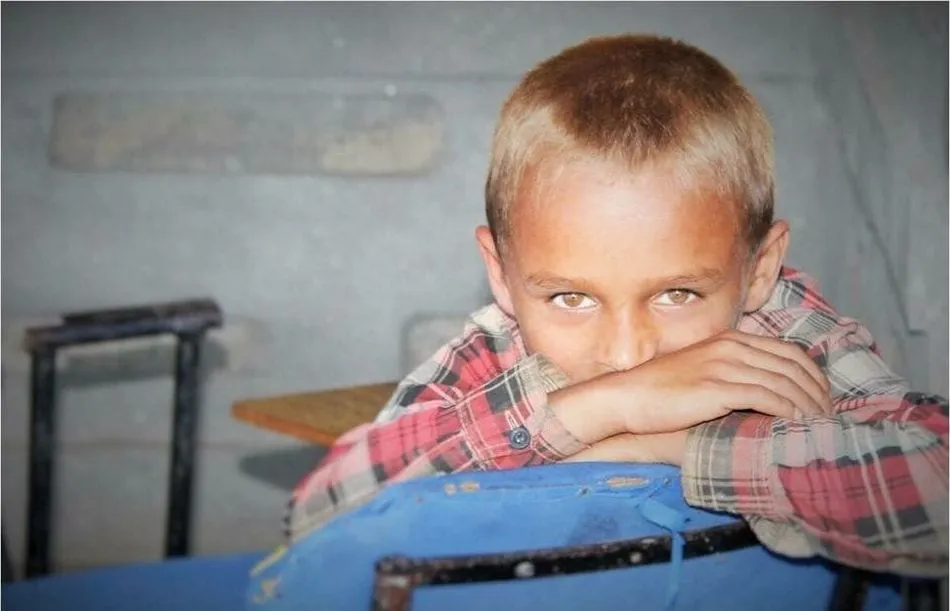
Harmi, Gorkha. Photo: Erika Keese.
Photos
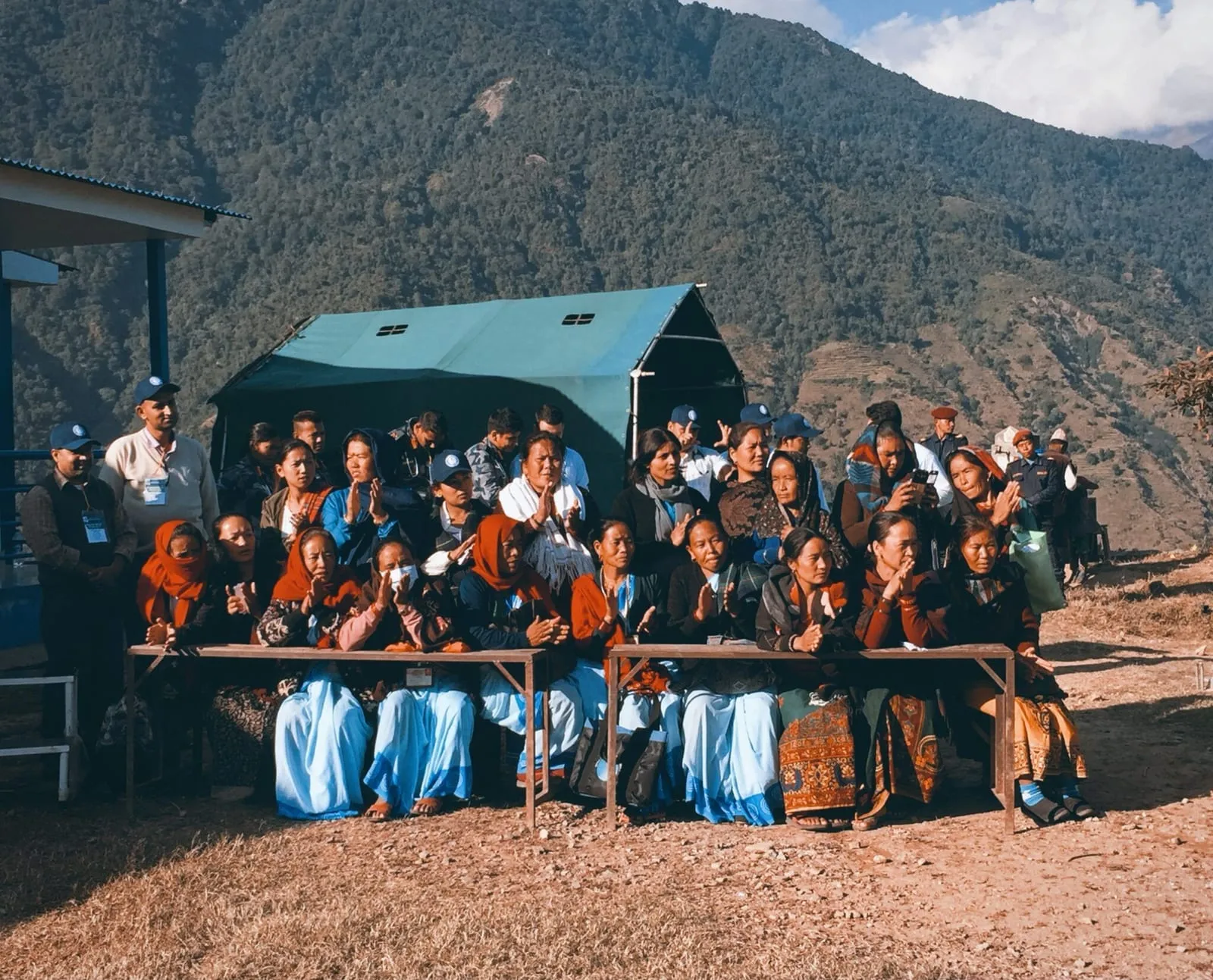
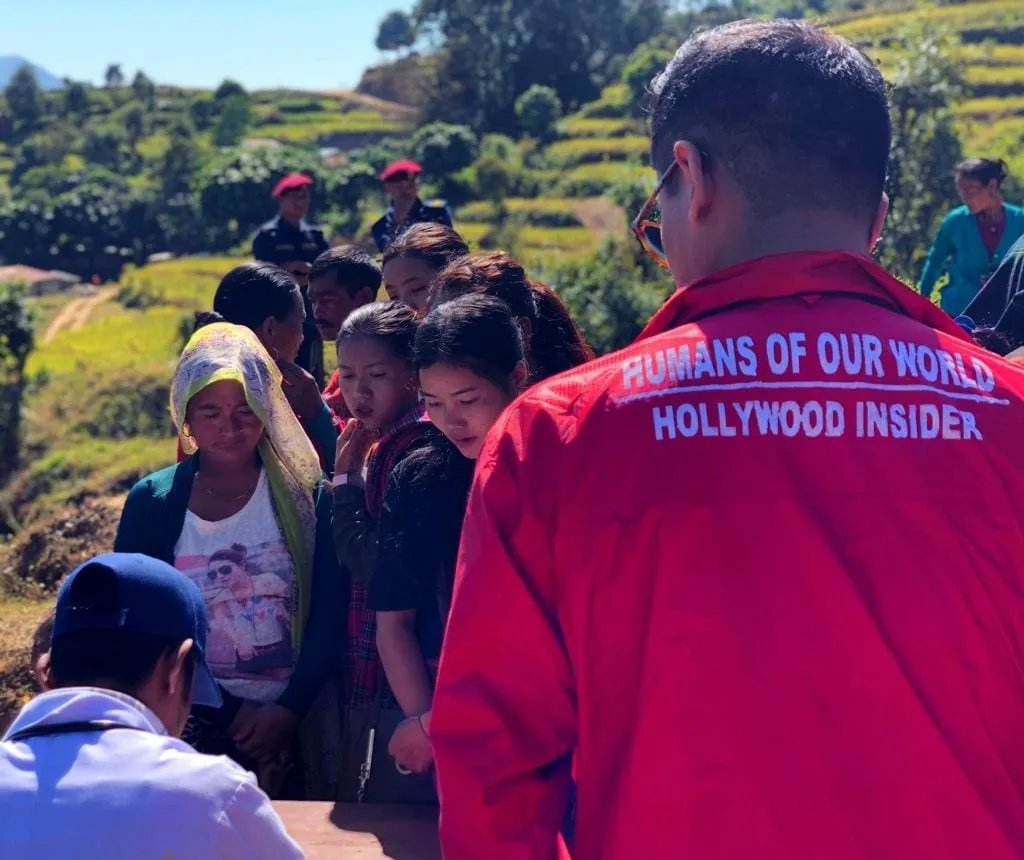
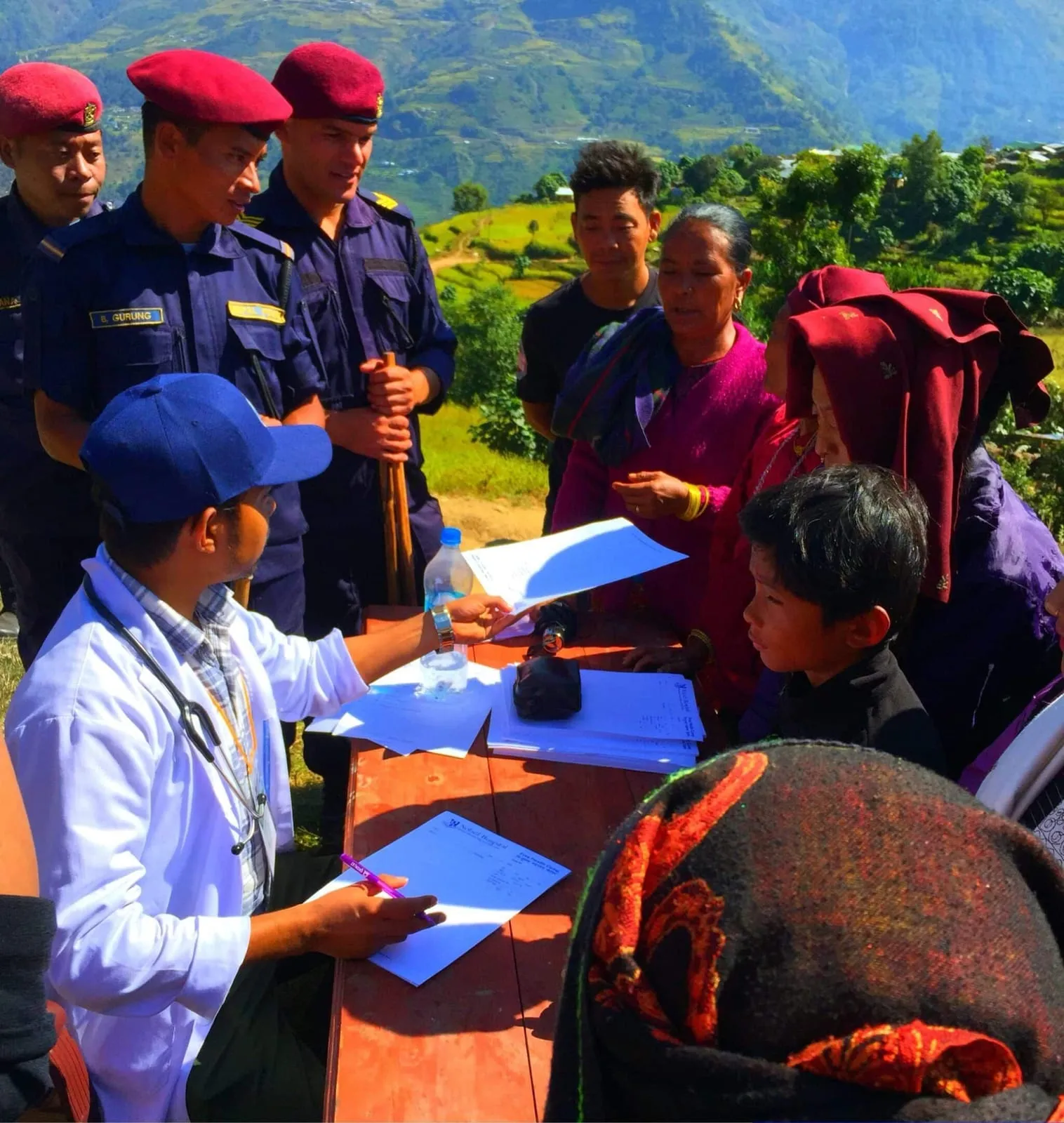
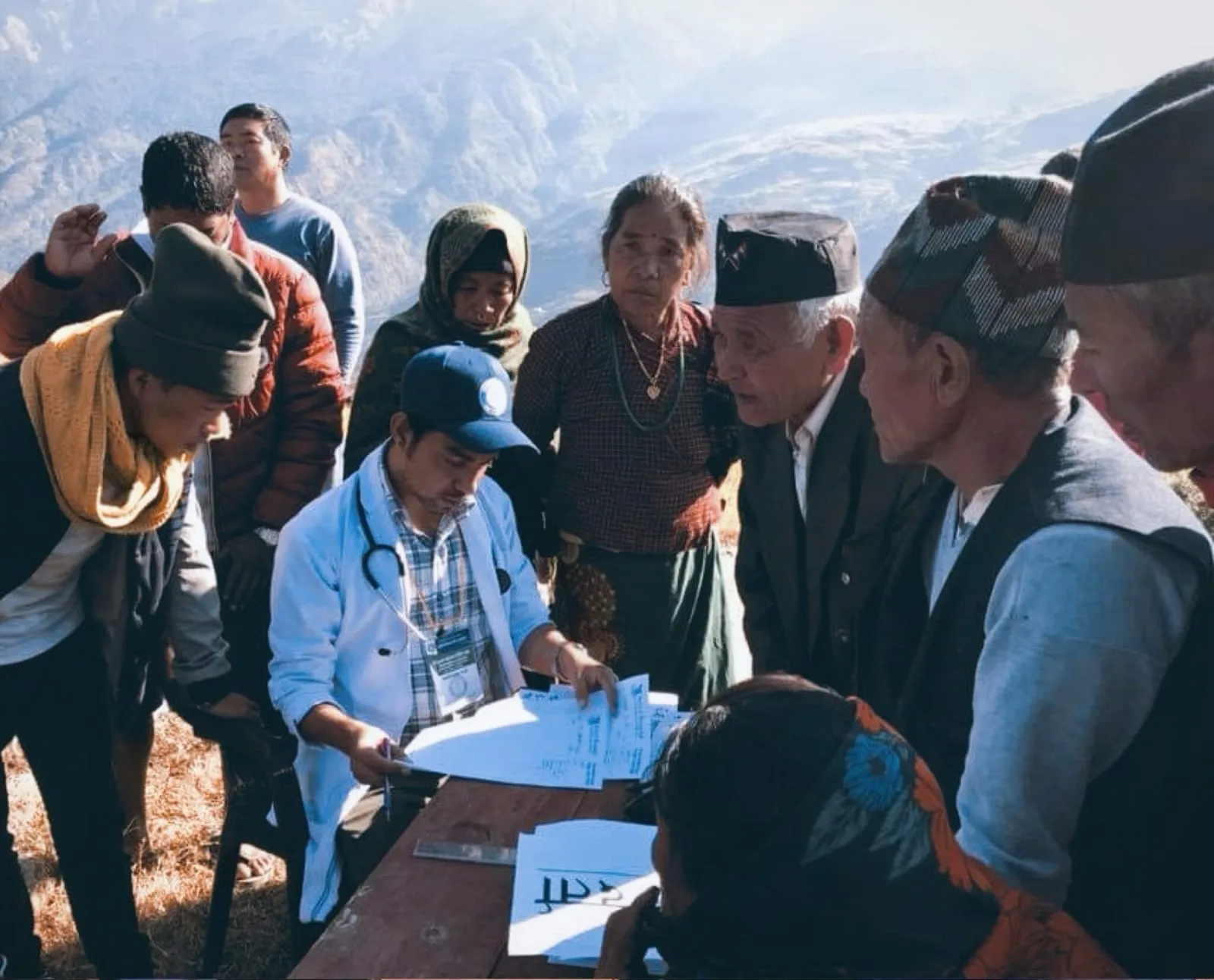
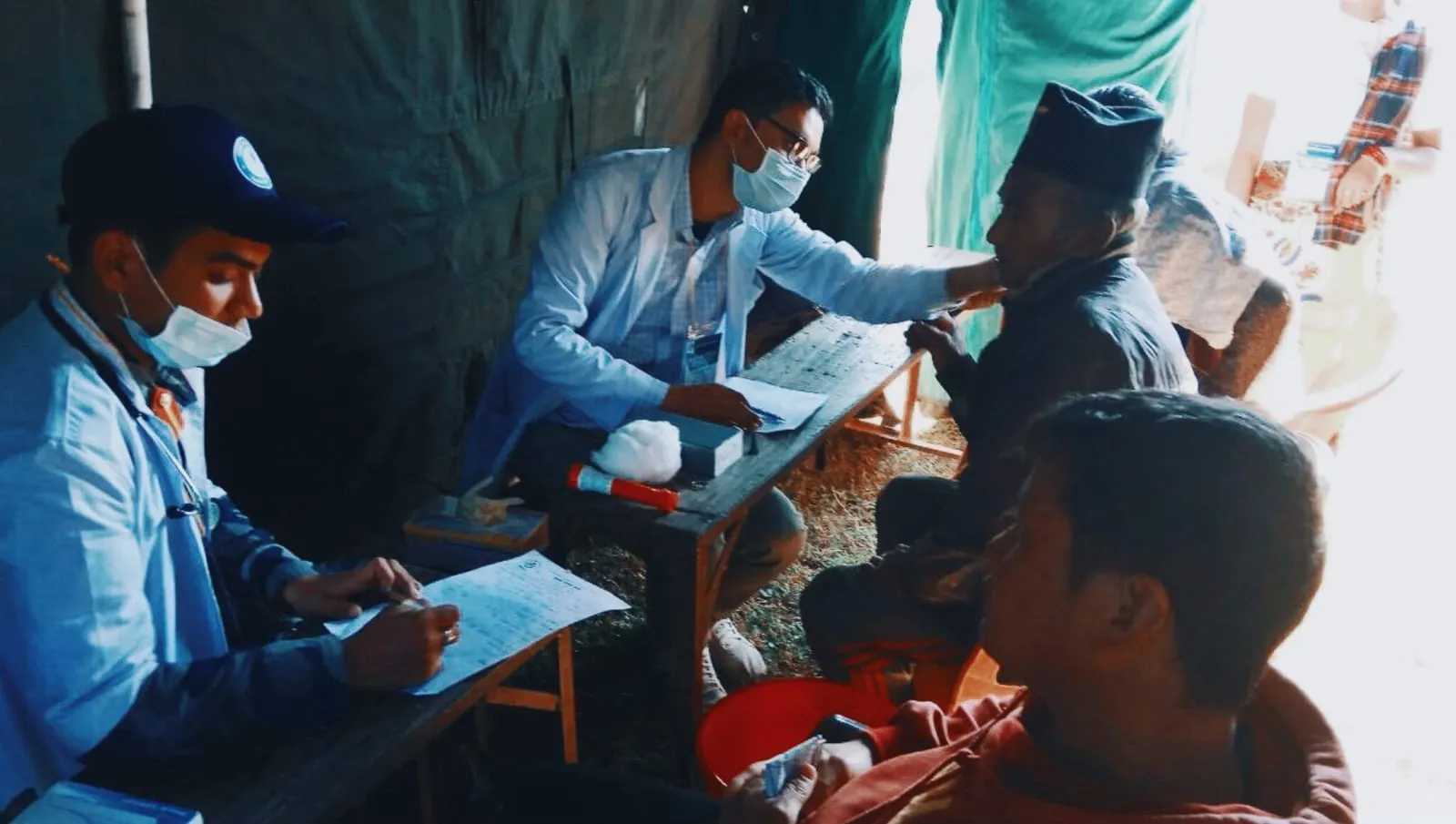
Nepal Humanitarian Camp, 2018
Our 2018 humanitarian camp in Ghyachchok, in the hills of Nepal, for villages still recovering from the 2015 earthquakes.
In the media
 Charity-sector coverage, 19 September 2018
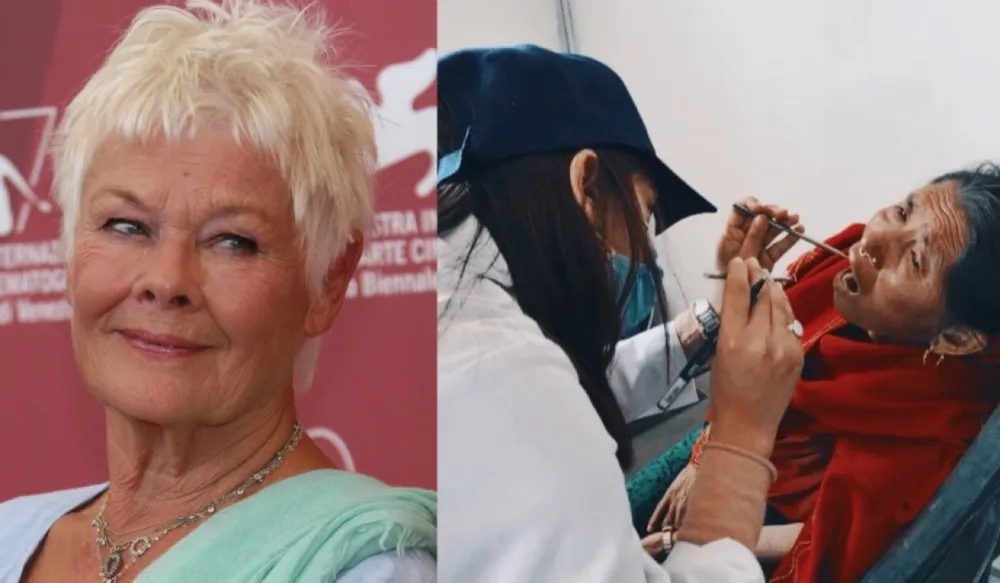 Dame Judi Dench Supports Forgotten Villages of NepalA public appeal for support for Nepal's forgotten villages.
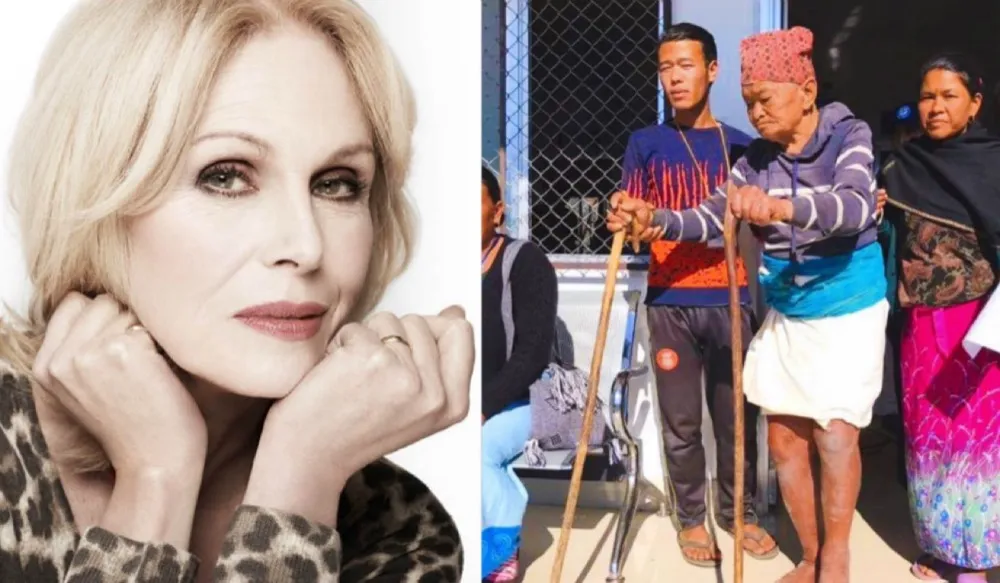 Joanna Lumley: remembering communities left behindThis feature combined a humanitarian appeal with detailed descriptions of remote village access, local cultures and the foundation's medical outreach.