

Cause 6 of 38Equality & Inclusion2006
The Power of Her - Women’s Rights Edition
When women are safe, they can thrive.
- How it began
- 2006 safety at home, 2007 New York, 2008 California, 2013 workplace rules.
- When did it start
- 2006
- Where it stands
- Ongoing
THE POWER OF HER - WOMEN’S RIGHTS EDITION has roots dating to 2006. The foundation’s earliest related work addressed anti-harassment, protection from domestic abuse and women’s safety and dignity within the home. This work expanded in 2007 to respect and job security for women in New York City; in 2008 to safety for young women in colleges and universities in California and across the United States; and in 2013 to corporate protections against sexual harassment and assault. The edition brings these connected commitments together with practical workplace safeguards, action against misconduct, support for mothers and continuing public advocacy.
The women who formed his moral compass
For Pritan Ambroase, respect for women began at home, long before he could turn it into an organisational principle. He was raised by exceptionally strong and powerful women: his mother, grandmothers, his mother’s sisters (his aunts), nannies and godmothers. Their strength, care, courage and standards taught him to respect women and provided the moral compass that would shape his humanitarian work. He credits these remarkable women not merely with inspiring him, but with helping raise him into the humanitarian he became.
His commitment was already visible during childhood. Former boarding-school teachers have recalled that, as young as six years old, Ambroase stood up for female members of staff, including cleaners and caretakers, when other pupils physically assaulted them. The experiences formed an early conviction: dignity does not depend on a person’s job title, status or power, and protecting someone being mistreated is an action, not a slogan.
2006 - Safety, dignity and protection from abuse at home
The foundation’s anti-harassment and women’s dignity work began in 2006. Its early advocacy addressed women’s right to live safely in their own homes, free from domestic abuse, intimidation, degradation and harassment. A home should offer protection and respect - not fear. This commitment to women’s dignity at home provided a foundation for later work in employment, universities and corporate life. It is also reflected in the Anti-Sexual Harassment Edition and MORE HOMES THAN HOUSES., while recognising that domestic abuse and sexual harassment are distinct forms of harm requiring appropriate responses.
2007 - New York City: Respect at work and the dignity of keeping a job
In New York City, the foundation’s women’s-rights work began with workplace respect and job security for women. The focus was simple and urgent: women should be able to earn a living, retain their employment and progress professionally without surrendering their dignity or tolerating harassment. A woman’s livelihood must never depend on accepting intimidation, humiliation or abuse.
2008 - California: Safety for women in colleges and universities
The work expanded in 2008 to women’s safety in colleges in California, with a wider advocacy mission to protect young women at universities across the United States. Sexual assault and harassment on campuses demanded more than sympathetic words. The edition stood for prevention, safe learning environments, clear ways to report misconduct, serious action when concerns were raised, and the right of students to pursue their education without fear.
2013 - Corporate safety: Employees before profits
In 2013, this commitment expanded into corporate workplaces and protection against sexual assault and harassment by colleagues or external clients. At his corporation’s annual event, Pritan Ambroase addressed an audience of approximately 2,000 people and made the company’s order of priorities unmistakable: the safety of every employee came first; profits came second.
He told employees that anyone experiencing harassment - whether from inside the company or from an external client - could report it directly to him. To make the open-door commitment visible, the doors to his office were physically removed. From the following day, people began arriving to speak to him; many were women who had previously felt unable or unsafe to raise what had happened.
Reports were acted upon. Offending employees and clients were reported, and legal action followed in cases of misconduct. The company accepted the commercial consequences rather than retain unsafe relationships. It lost nearly 11% of its clients and parted with offending employees. At the same time, employee turnover fell by nearly 65%, as employees reported feeling safer in the workplace.
Changing the rules of meetings
Safety was built into daily operations. Meetings in private residences and closed private rooms were banned. Meetings required at least three participants, with open doors and public meeting spaces as the standard. These procedures were intended to reduce opportunities for coercion, harassment and behaviour that thrives without witnesses.
The approach was later carried into Hollywood Insider, where shouting was also prohibited and the principles of meetings in public spaces, open doors and at least three participants were maintained. The point was not simply to issue a policy, but to build a culture in which employees knew what respectful conduct looked like and how to report violations.
2014 - Your Mum Is A Superhero Letter
In 2014, Ambroase introduced Your Mum Is A Superhero Letter for women employed far from their home countries while their children were living in another country. Each woman received a card celebrating her strength and sacrifices as a mother, filled with handwritten notes from colleagues, including Ambroase. The messages recognised women not simply as employees but as people whose love and care for their children continued across borders.
The company’s HR manager was moved to tears. After two decades working in corporate human resources, she said she had never experienced that level of kindness in a corporation. The initiative recognised something often overlooked at work: a woman is not only an employee. She may also be a mother making extraordinary sacrifices for her children.
Long before #MeToo became a global hashtag
These corporate protections were established before #MeToo became globally prominent in 2017. The Me Too movement itself was founded by Tarana Burke in 2006. The foundation’s work is part of a longer history of practical action against harassment and assault; it does not claim to have founded or preceded Burke’s movement.
Continuing advocacy through Hollywood Insider
The foundation’s work for women has continued through Hollywood Insider’s reporting, public messages and cultural advocacy: speaking out against sexual violence, supporting women in film and media, challenging discriminatory stereotypes, recognising female pioneers and defending women’s right to safety, equality and opportunity.
This includes Ambroase’s #MeToo letter and the published 2019 #MeToo Revolution episode, which called on audiences to move beyond outrage and take action against abuse. The episode challenges people and institutions to become part of the solution rather than bystanders.
At the 2023 Venice International Film Festival, Ambroase also joined a public red-carpet demonstration in solidarity with Iranian women and artists and the Woman, Life, Freedom movement, calling attention to freedom, equality and the protection of women’s voices.
What The Power of Her stands for today
Women’s rights are not only about access to opportunity. They are about the practical conditions that make opportunity possible: safety from harassment and assault; the ability to study and work with dignity; credible reporting and accountability; fair employment and leadership; respect for mothers and families; and freedom from violence and discrimination.
The Power of Her builds on work begun in 2006 and continues today as an active commitment to the safety, dignity and advancement of women and girls. Its history demonstrates a central principle: institutions and communities serious about protecting people must show that commitment through their practices, leadership and action when misconduct occurs.
Public advocacy backed by workplace action
The edition joins practical organisational reforms with press, speeches and journalism. A direct-reporting route, action against misconduct and rules for safer meetings changed internal practices; Hollywood Insider’s coverage, the #MeToo letter and the #MeToo Revolution episode carried the same concerns into public view. Raising women’s voices and publicly challenging abuse are actions in their own right.
Advocacy is action. Original journalism, public education, campaigning, interviews and community dialogue are meaningful work in this cause. The foundation distinguishes that public action from direct services or results delivered by other organisations.
Published journalism and original materials contribute to this edition’s humanitarian advocacy and public education. Article links represent completed media work, not automatic evidence of separately delivered services.
Watch
Videos
 Hollywood Insider
#metoo Revolution: Powerful Questions That Need Answers
In the media
 WATCH: Pritan Ambroase on the #MeToo Revolution & Powerful Questions That Need Answers (2019)
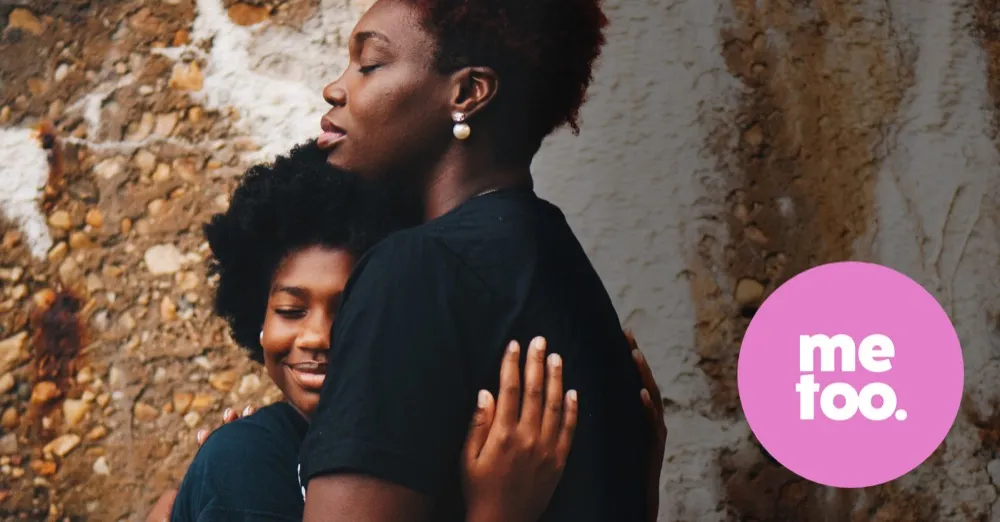 Me Too movement - origins and history (Tarana Burke)
 Yalitza Aparicio and domestic workers’ rights
 Barbie Sheroes
 Hollywood boycotts Georgia (2019)
 Ambroase on tabloid hostility towards women
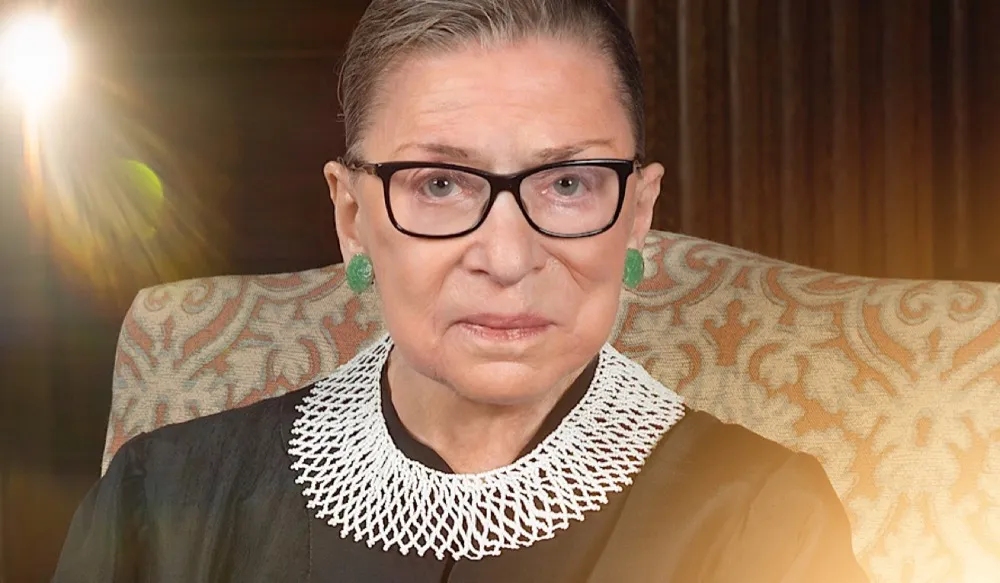 A Tribute to Ruth Bader Ginsburg: 32 Facts on Justice of the Supreme Court and Women’s Rights
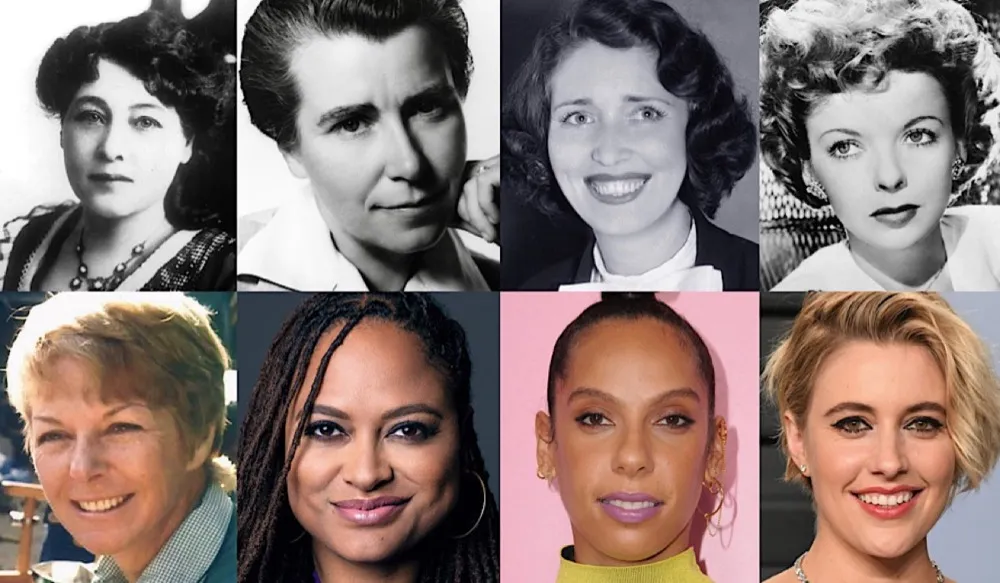 8 Glass-Ceiling Breaking Female Pioneers in Cinema
 Video: Are the Oscars against Talented Female Directors?
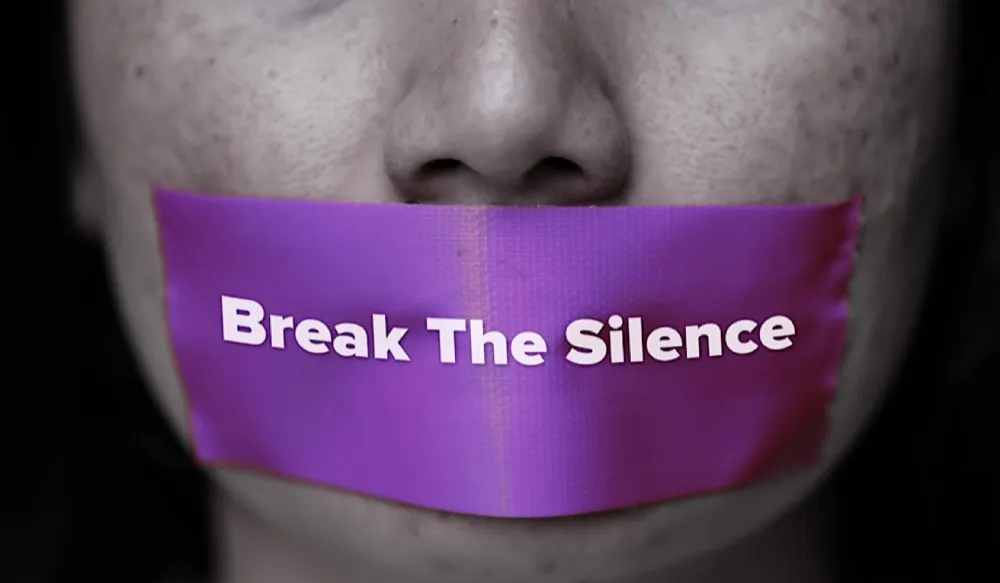 Safer at Home? Domestic Violence During COVID-19
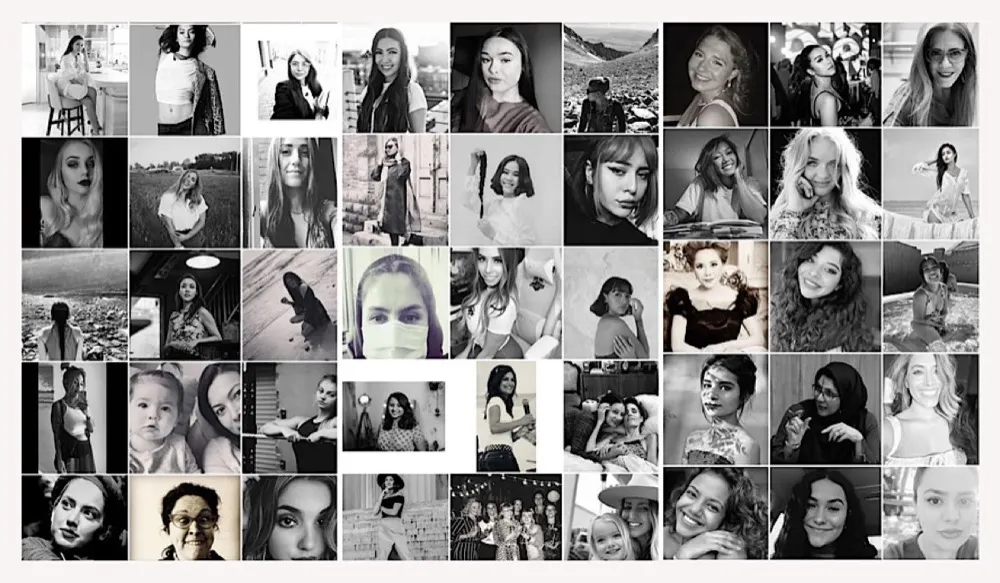 The Real Reason Behind the #ChallengeAccepted Trend: Protect Women in Turkey
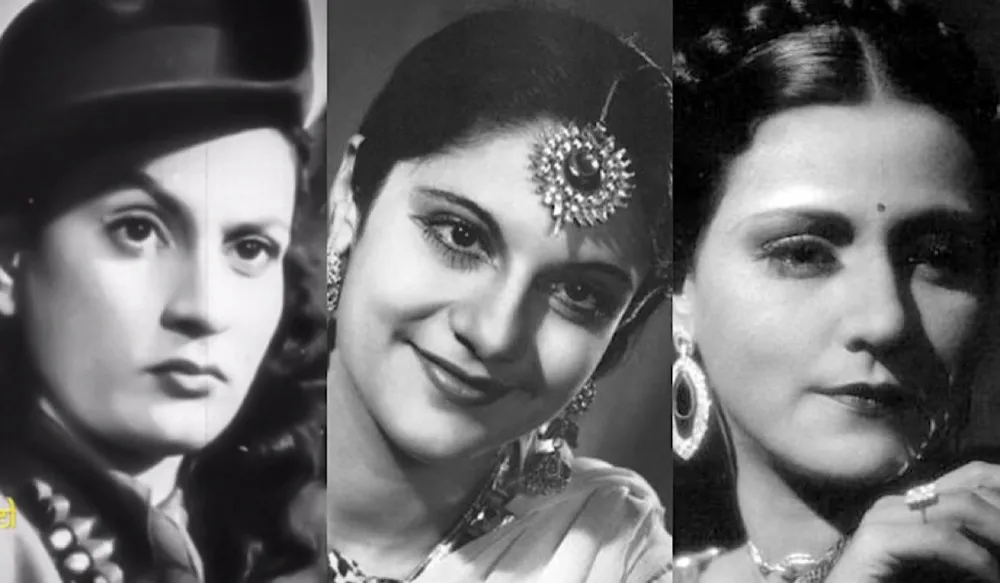 The Jewish Actresses Who Ruled as Bollywood Heroines in Secret
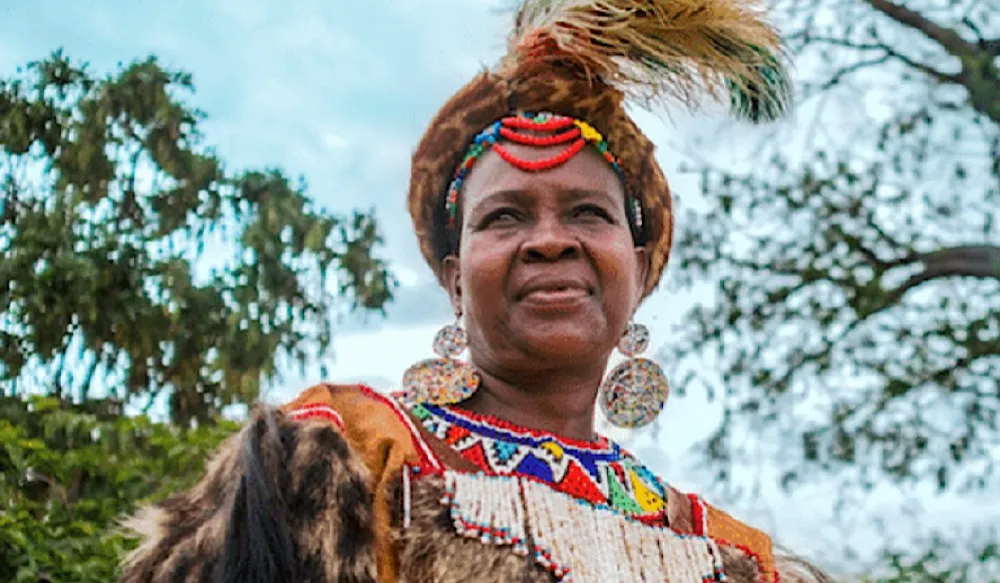 Theresa Kachindamoto Is a Real-Life Black Queen